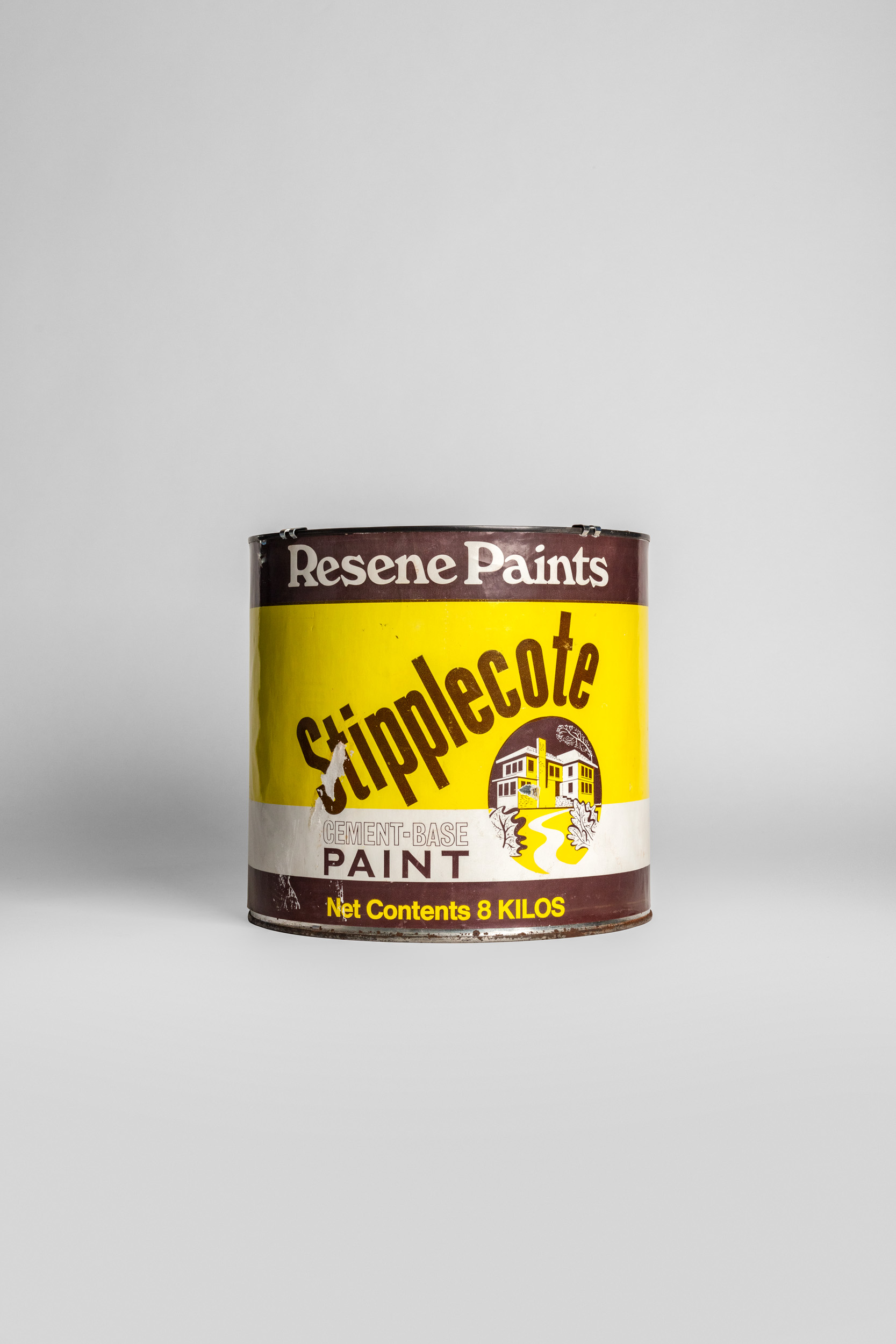
In 1946, Te Whanganui-a-Tara Wellington builder Ted Nightingale had a problem: he couldn’t find a paint that would stick to concrete buildings. He needed one that was alkali resistant, but found there was nothing on the market. So, in the spirit of post-war New Zealand pragmatism, he set out to make his own.
Using a concrete mixer in his Eastbourne garage, he developed a concrete paint that eventually became known as Stipplecote – and it worked. Within a few short years, Ted went from a builder making paint to the owner of a paint company.
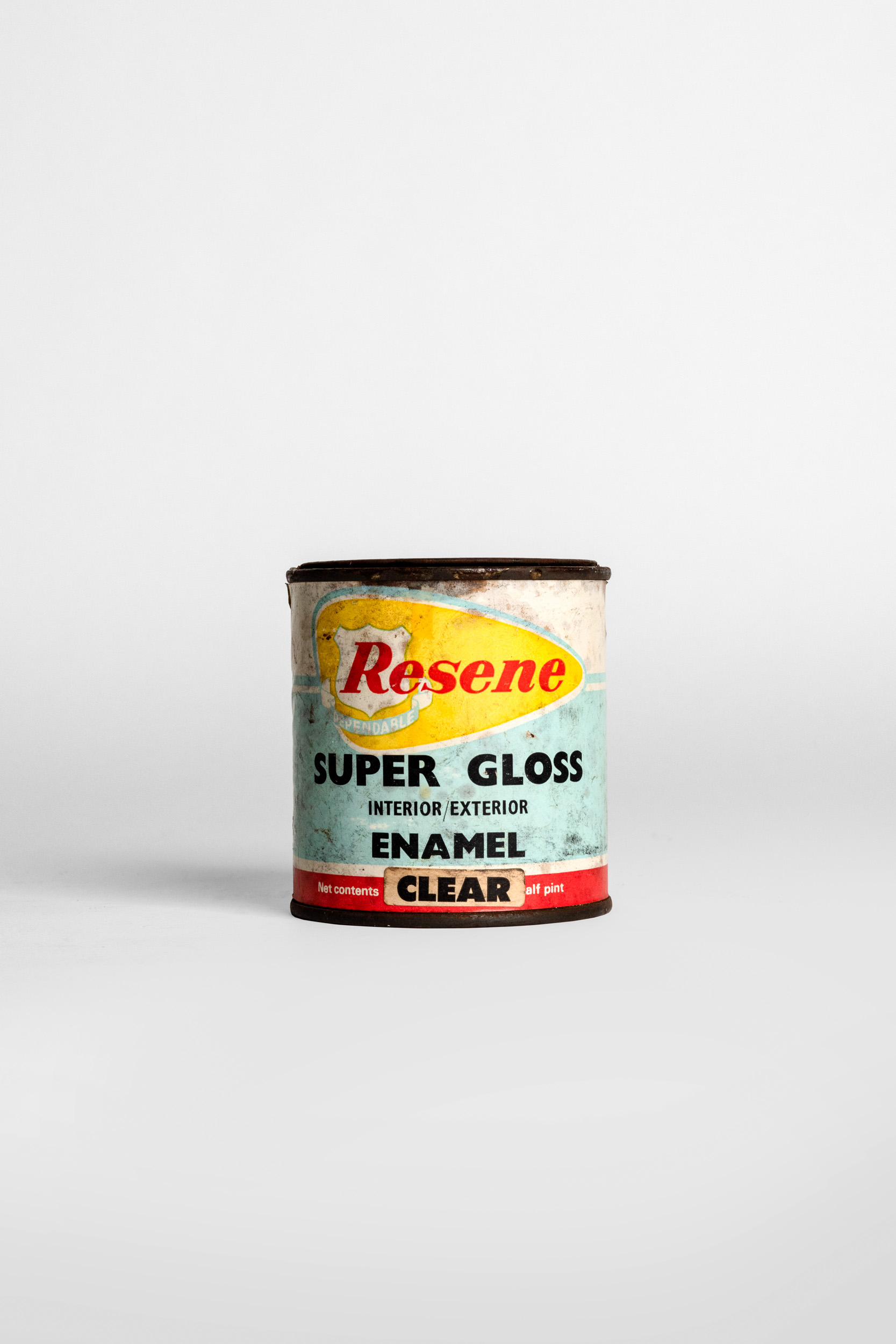
Not content with Stipplecote, in 1951 he developed Resene PVA Semi-Gloss, one of the first – if not the first – true waterborne paints in the Southern Hemisphere – named for the main ingredient of the paint, resin. While it’s commonplace today, waterborne paint was a hard sell to the paint-buying public, who were convinced it would just wash off.
It was only after a huge sales push over several years – involving in-store demonstrations of paint being applied, then doused with water before cleaning up the brushes with water – that the technology finally took off. By the 1970s, now under the leadership of Ted’s son Tony, and after a shift to Seaview and a bigger factory, the brand became known as Resene. It radically overhauled the way it sold paint, shifting from third-party retailers to its own – now very familiar – Resene ColorShops, selling directly to the trade and consumers.
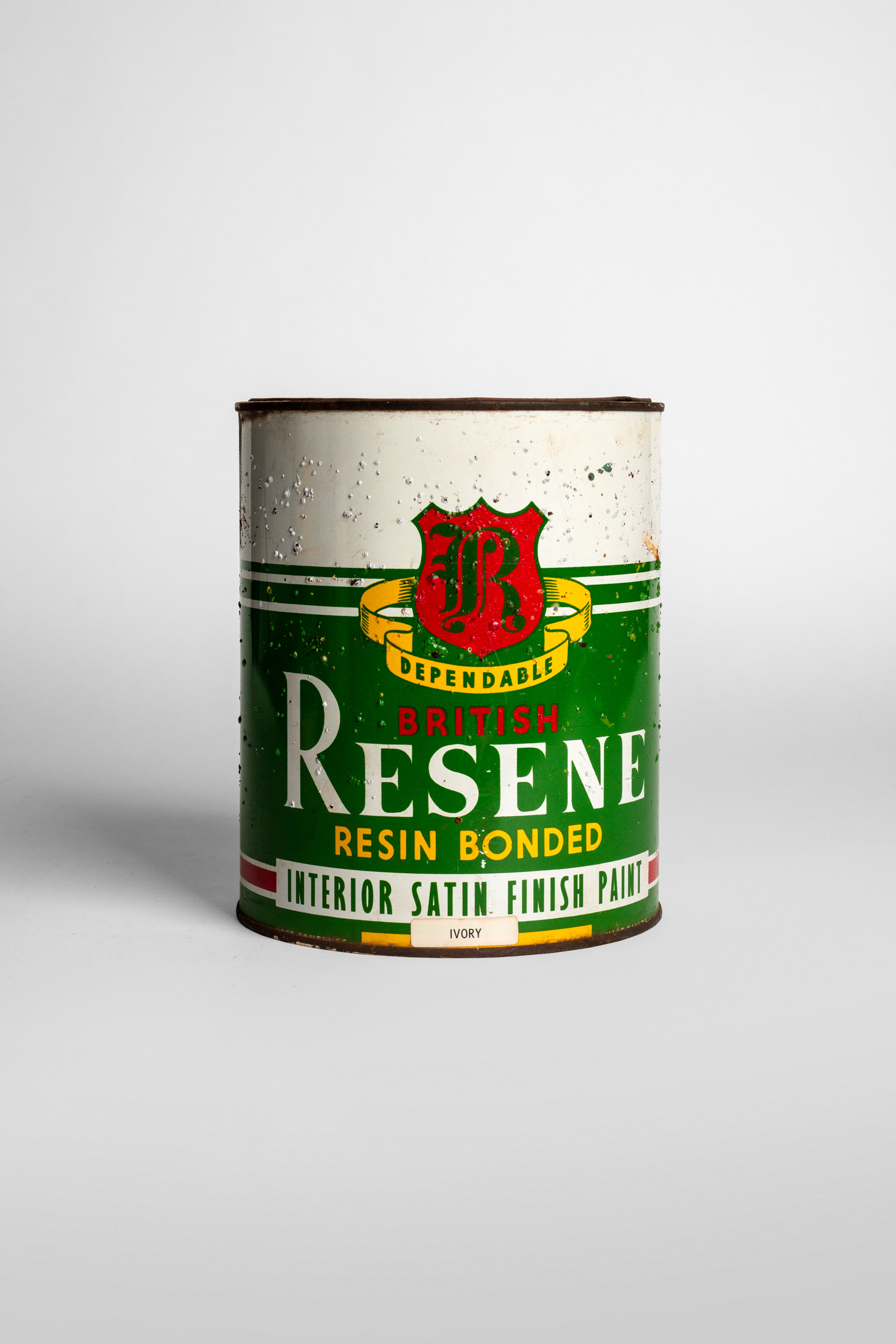
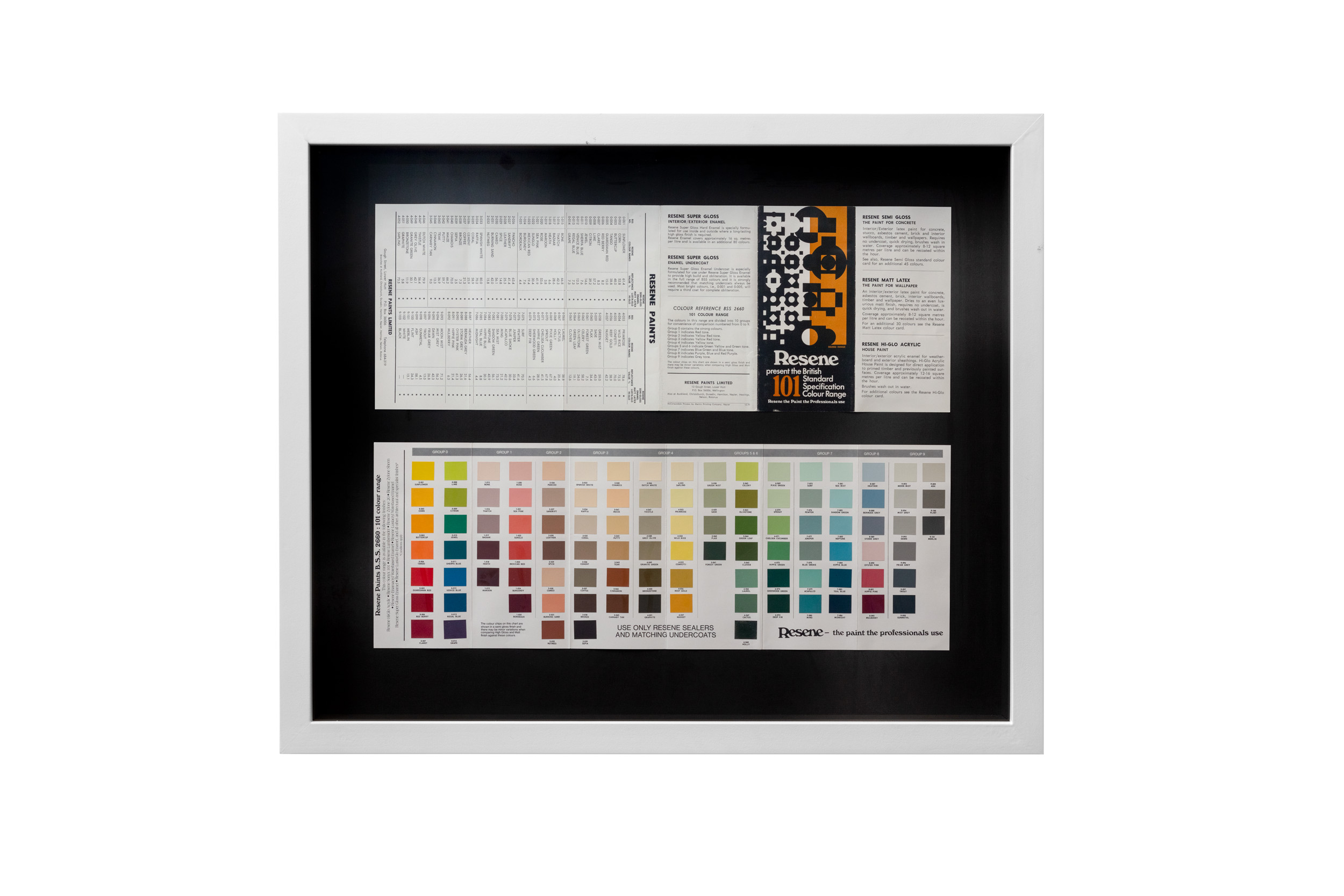
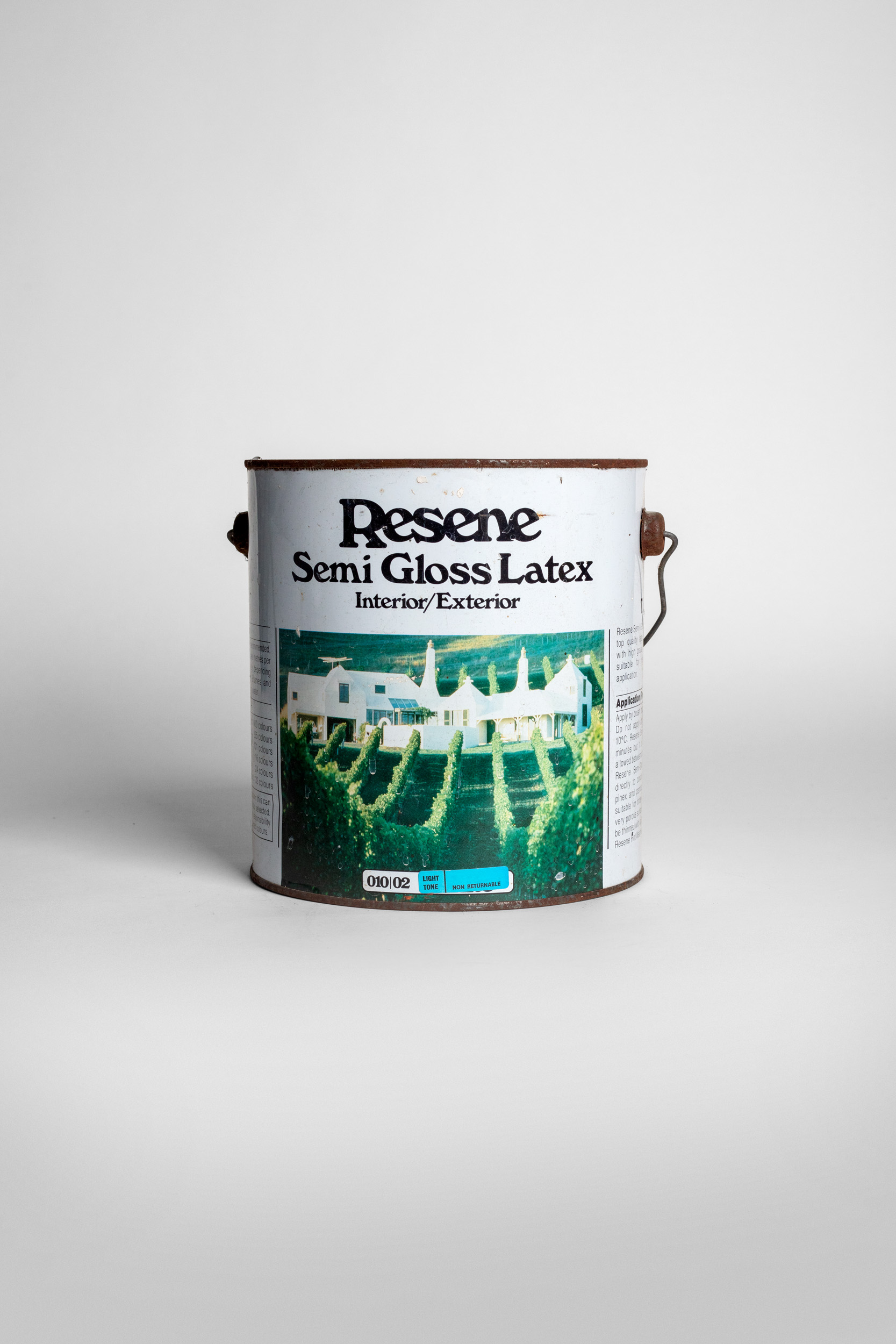
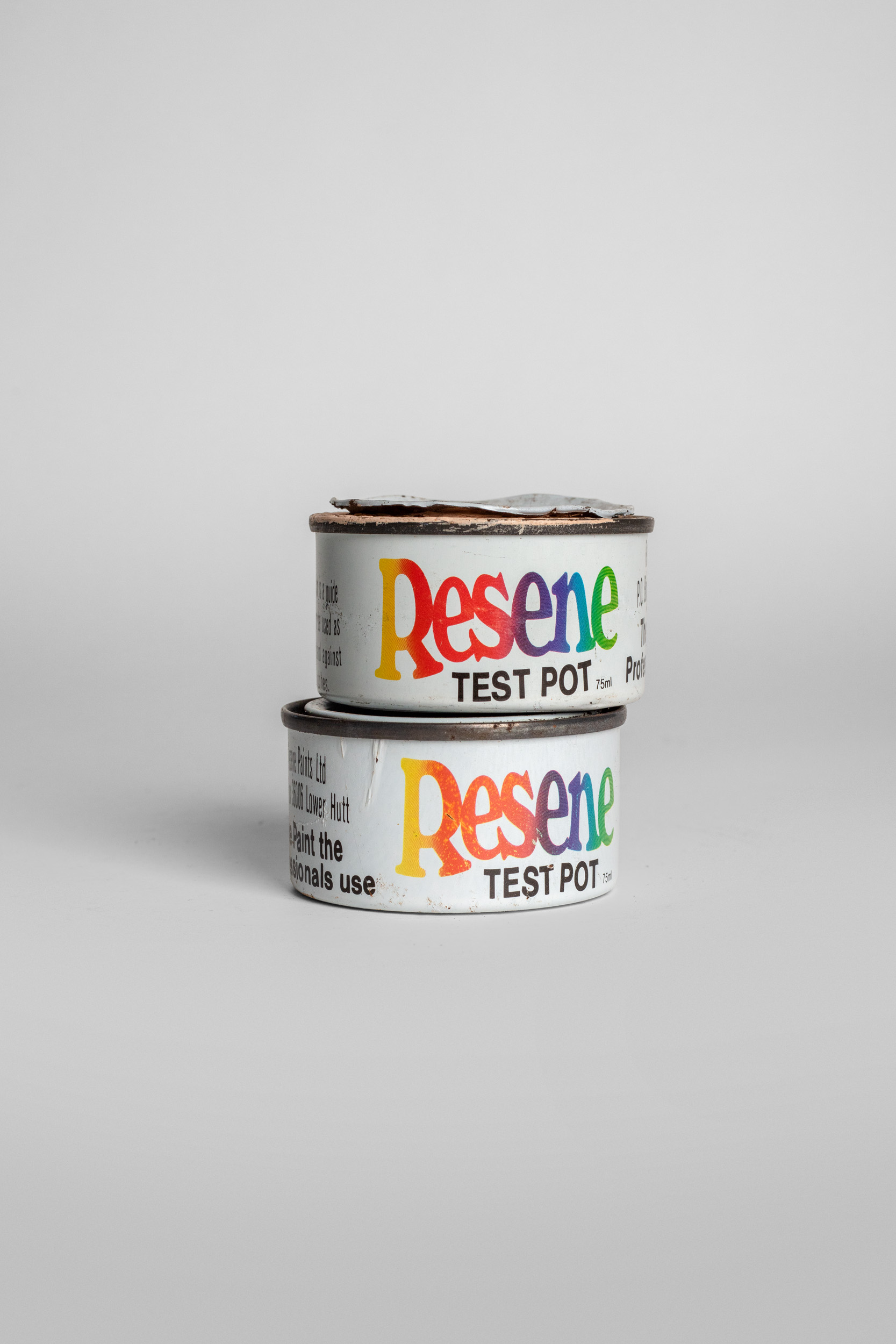
We’ve highlighted a few favourite products on these pages. Many of Resene’s developments weren’t just the first in New Zealand, but among the first in the world. Brighter, stronger colours came in the 1960s, along with a succession of some of the biggest colour charts in the world. This in turn required the development of a world-leading tinting system. In the 1970s, it introduced high-strength, automotive-grade tinters and coloured bases, followed by New Zealand’s first test pots in 1981. And, in 1985, it introduced the Total Colour System, which meant it could offer UV-resistant colours in any product.
Resene is now a third-generation business, led by Ted’s grandson Nick Nightingale, who began work aged six, assembling cardboard boxes in the factory, and who took over from his father Tony in the early 2000s. All the paint is still developed and manufactured in Resene facilities in Lower and Upper Hutt.
The spirit of innovation and creativity continues. “It’s not just what paint we make,” Nick says. “It’s how we make it, how we develop it, how we distribute it and how we market it. Over the years we’ve set ourselves an unspoken target to be the very best. The best in colour, paint quality and sustainability. That underpins everything we do.”
Resene
Related Stories: