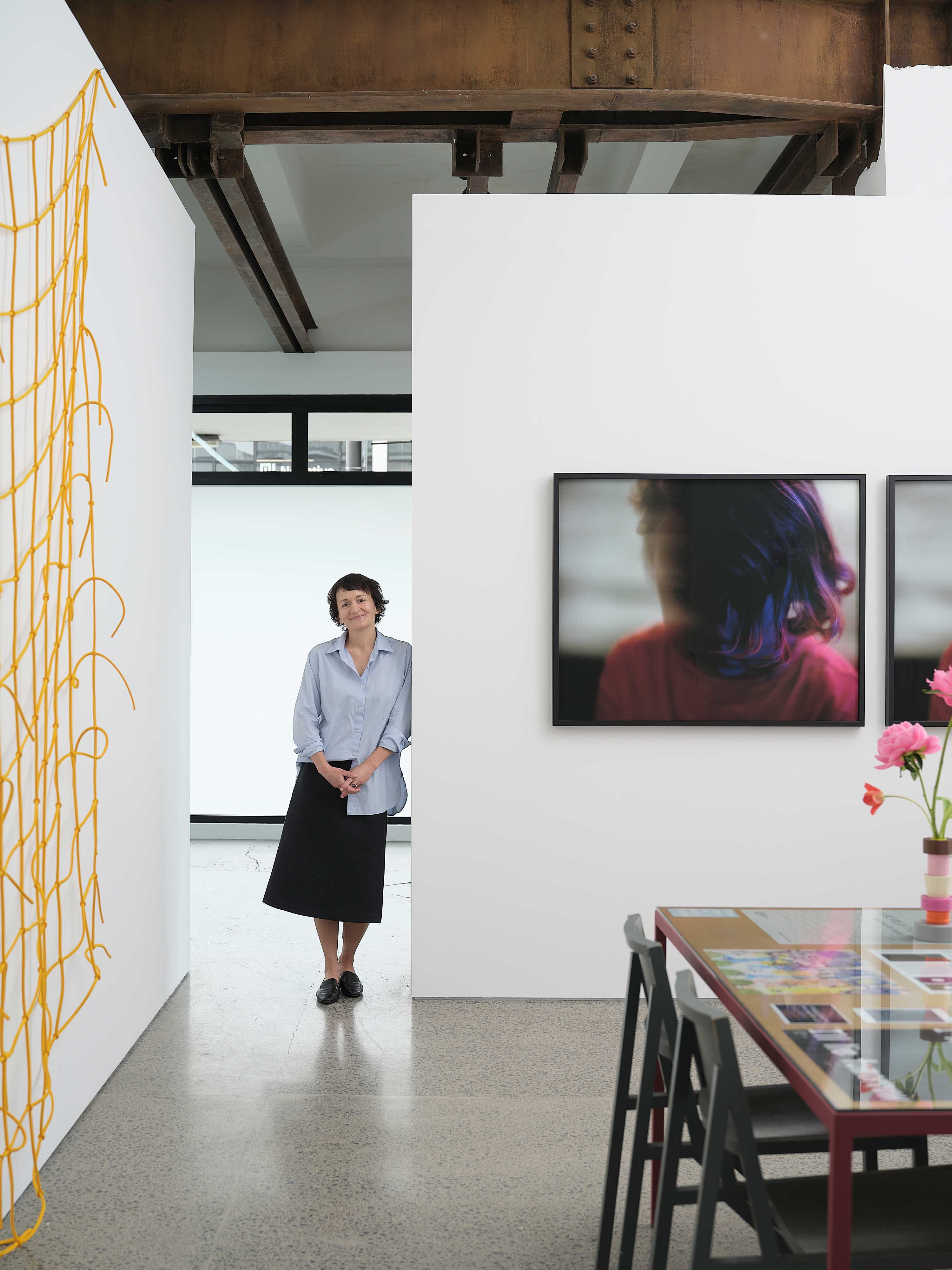
“It’s nice to come home, in a way,” says Coastal Signs’ Sarah Hopkinson, who recently moved her gallery to a new space in a former bank on Karangahape Road, Tāmaki Makaurau, after a few years in a charming, but off-the-beaten-track spot on Anzac Avenue.
Her first gallery, opened in her early 20s, was on Karangahape Road, as was Michael Lett, whose gallery she worked for before starting her own. “I felt like I needed to move – I wanted people to see what we were doing,” she laughs, explaining the recent relocation. “And I guess I felt like putting my big-gallery pants back on.”
Hopkinson started Coastal Signs in 2021, after taking a break from dealer galleries for a couple of years. She wanted to do things differently – both by taking a space that wasn’t the usual, and in how she ran things. “The break was my opportunity to change,” she says. When she decided to launch Coastal Signs, she asked herself a few things. “The first question was: do I want to be a gallerist? And the second was then: what do the artists need? And the third was: what needs to change in the model, how can it be done differently?”
She works with a core group of just eight artists – including Shannon Te Ao, Ruth Buchanan and Peter Robinson, along with a number of up-and-comers. She keeps overheads low. That means she is less reliant on selling works show by show, and can take risks with her exhibition programme. Furthermore, those core eight artists form a rōpū, which oversees the gallery’s strategic direction: Hopkinson shares everything from finances to key programme decisions with them. “They’ve always been my conscience, but I wanted to formalise it with them.”
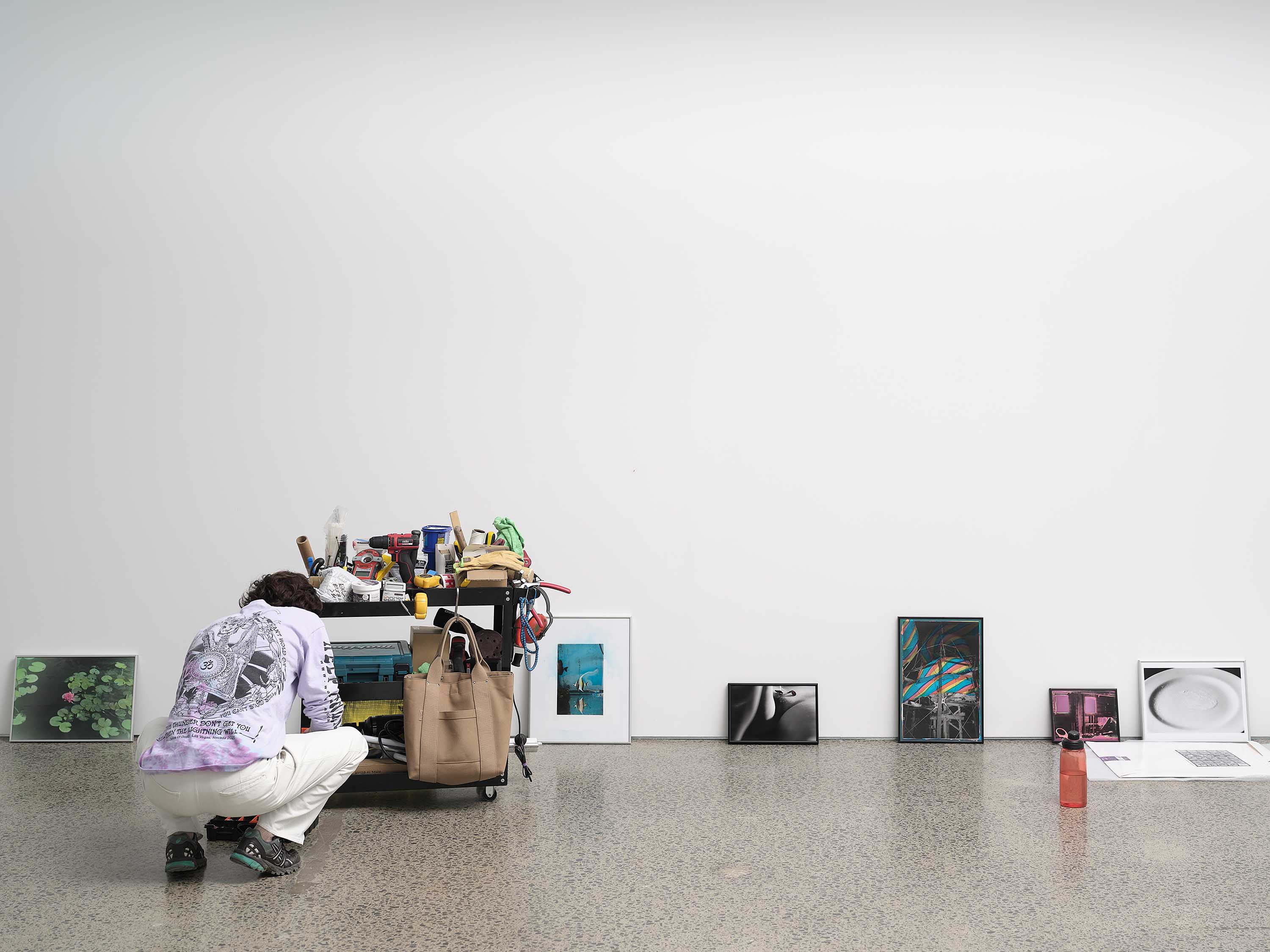
In the new space, there’s one big exhibition room, with a generous, airy office that gives her plenty of extra wall space for collectors viewing work separate to the gallery’s main exhibition – another key part of her model. There’s also a decent stockroom. She worked with interior architect Mijntje Lepoutre to lay out the space, which has an intense, oxidised steel structure just below the original ceilings, installed as part of earthquake strengthening to the building.
Rather than attempt to cover them up, they devised a series of boxy, white-painted walls that stop just short of the steel, and loosely divide up the space while still allowing view shafts through it. “I like being able to see people as they come into the gallery,” she says, “but it’s more of a casual ‘hi’.”
Coastal Signs
312 Karangahape Road, Tāmaki Makaurau Auckland
Related Stories: