To listen to a playlist by Charlotte Ryan inspired by the house, click here. This is a story of how perseverance prevails. A story that begins in 1984 with a different house on a different site. The clients, a husband and wife, were living in a leafy Ōtautahi suburb when they decided their future lay by the beach. Setting their sights solely on one quiet, clifftop street looking out to the ocean, the determined husband spent eight years door knocking and mail dropping, trying to acquire an address. Finally, his tenacity bore fruit, and with a site secured, the couple needed an architect. While they were keen followers of Christchurch architecture and those behind the local modernist movement, the couple wanted someone who was more familiar with hilly terrain and a sense of the unexpected. They wanted Ian Athfield.
Ath was non-committal,” the client recalls. “He told me, ‘I only do about one house a year, and only if it interests me.’ I thought, ‘Bugger me.’ But he flew down and visited the site anyway, pushing through the shrubbery and walking along the clifftop before climbing up onto an old garage roof. As it creaked and swayed, he looked around, rubbed his chin and said, ‘You know, I think I can do something here.’”
So the slow burn of design began, Ath working on the plans alongside architect Ashley Hide and designer Stuart Niven. “I remember them all in the office playing with Meccano, working out the form and details,” says architect Zac Athfield, Sir Ian’s son, who was a teenager at the time. The client’s passion and understanding were evident from the get-go. He would examine, question and refine every detail with ingenuity, treating each drawing as if it were a design problem worth solving. Finally, in 2009, the clifftop home was complete and recognised with a New Zealand Architecture Award the following year. However, the celebration proved short-lived, as just months later, the Christchurch earthquakes struck and claimed the home as collateral.
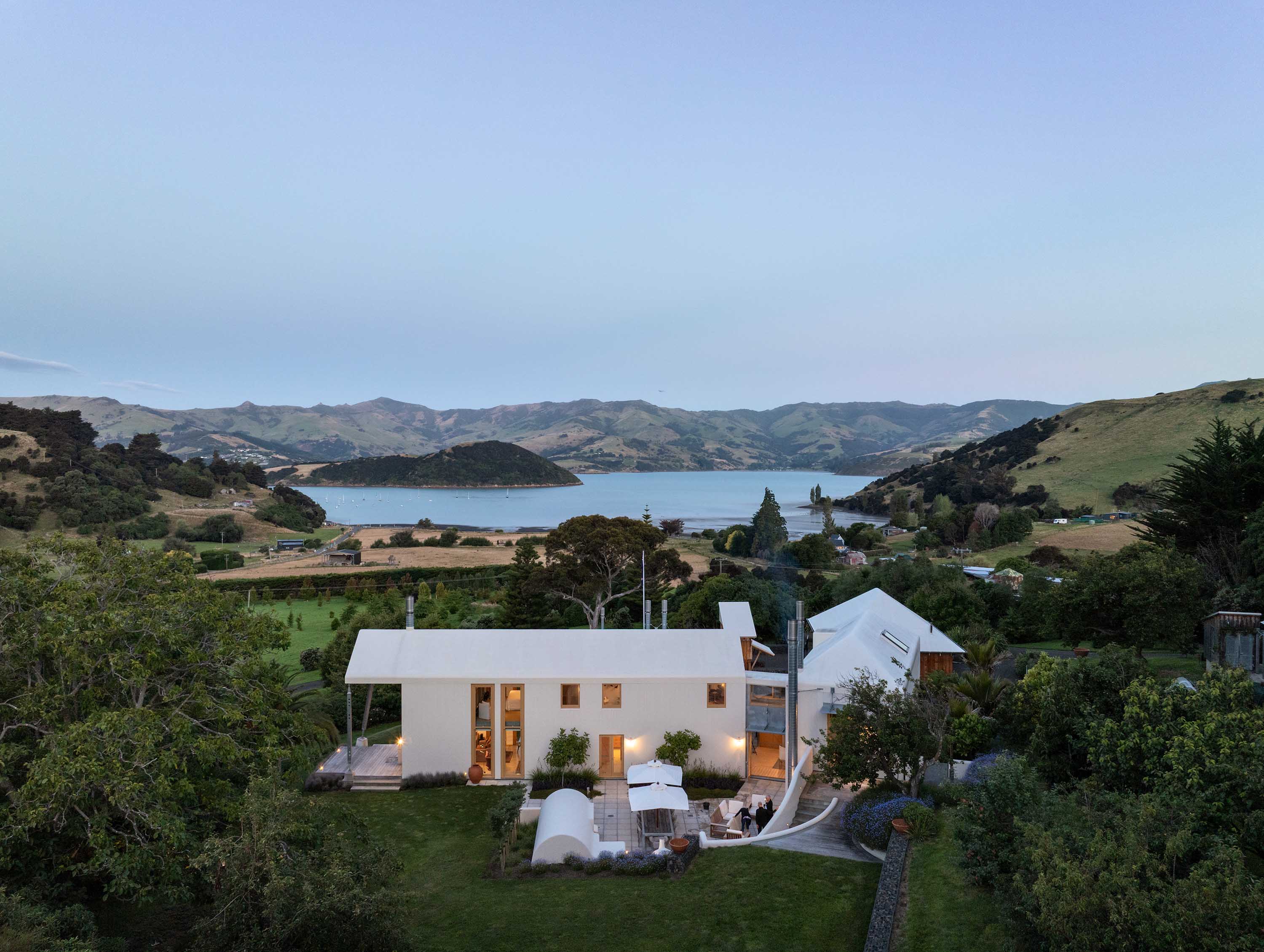
The site and house were written off, taking with them decades of work. While most would have admitted defeat, the owners were resolute. “It was a huge disappointment, but we had one of two options. We could spend the rest of our lives bemoaning what we’d lost, or we could get up and do it again,” the client says. In 2012, they secured a rural site, an hour’s drive from the city in Banks Peninsula, with low, long views out to the water. “Our new brief was simple. We wanted a cross between Ath’s Awaroa Bach and the Buck House – and Ath didn’t deliver on either,” he laughs.
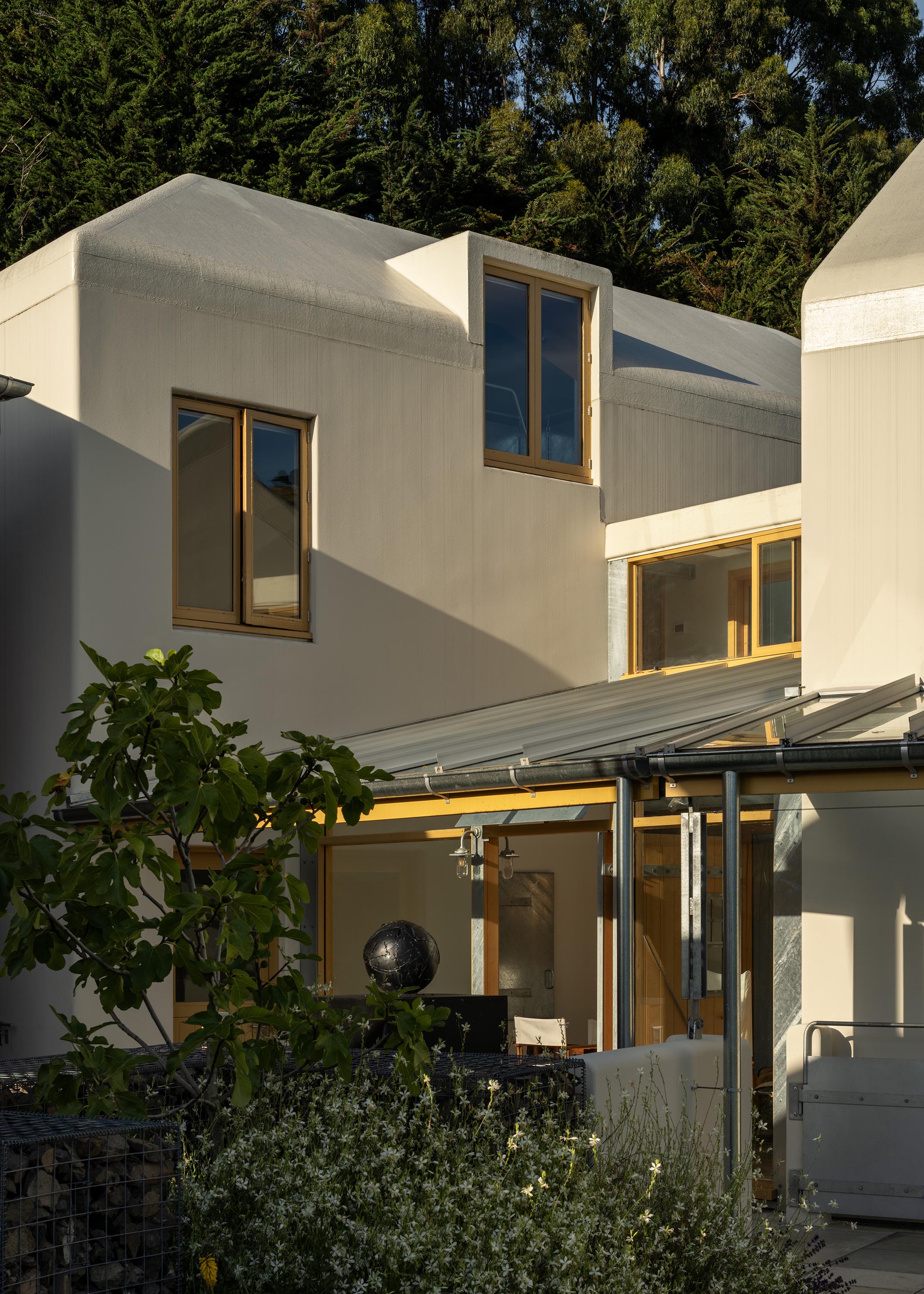
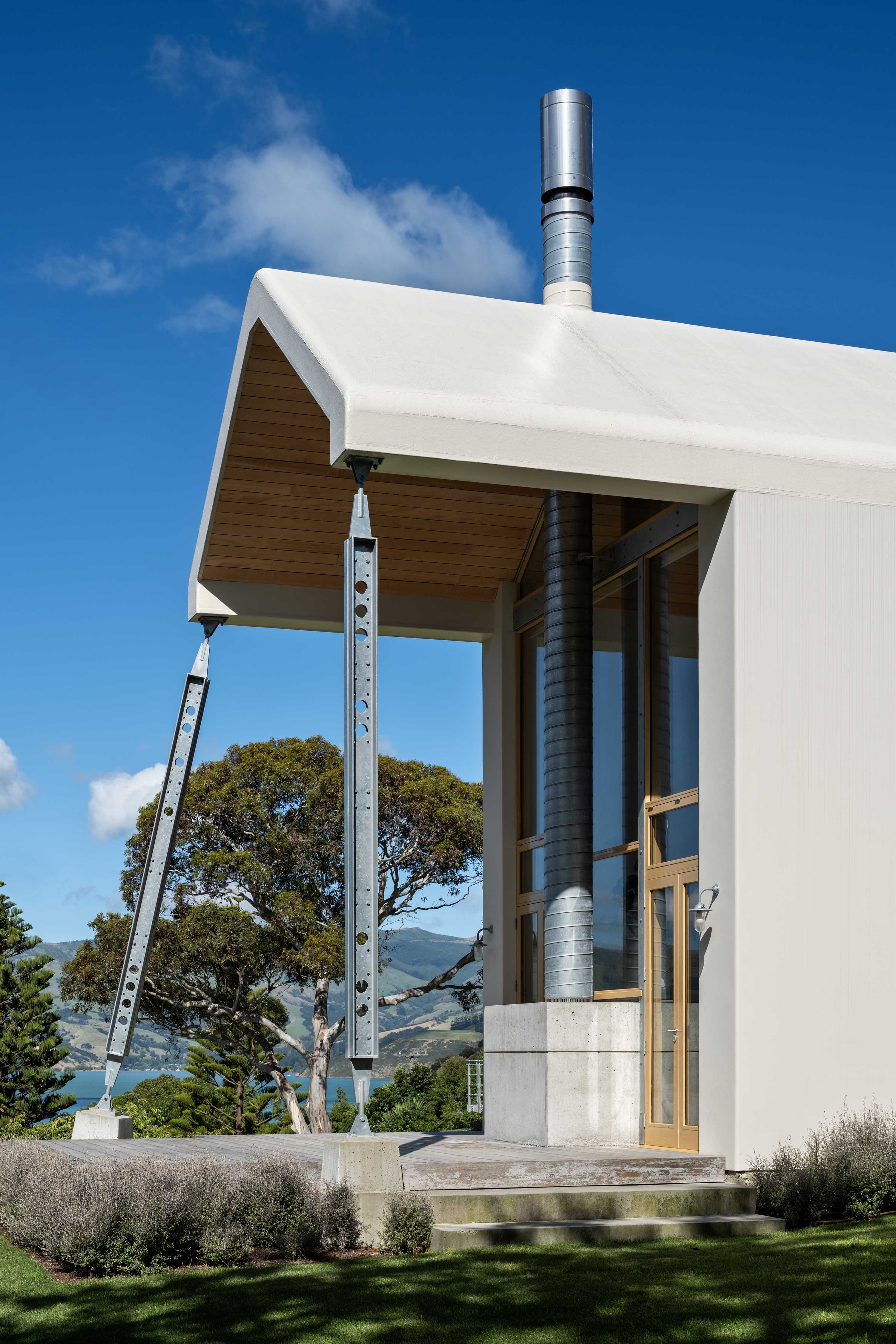
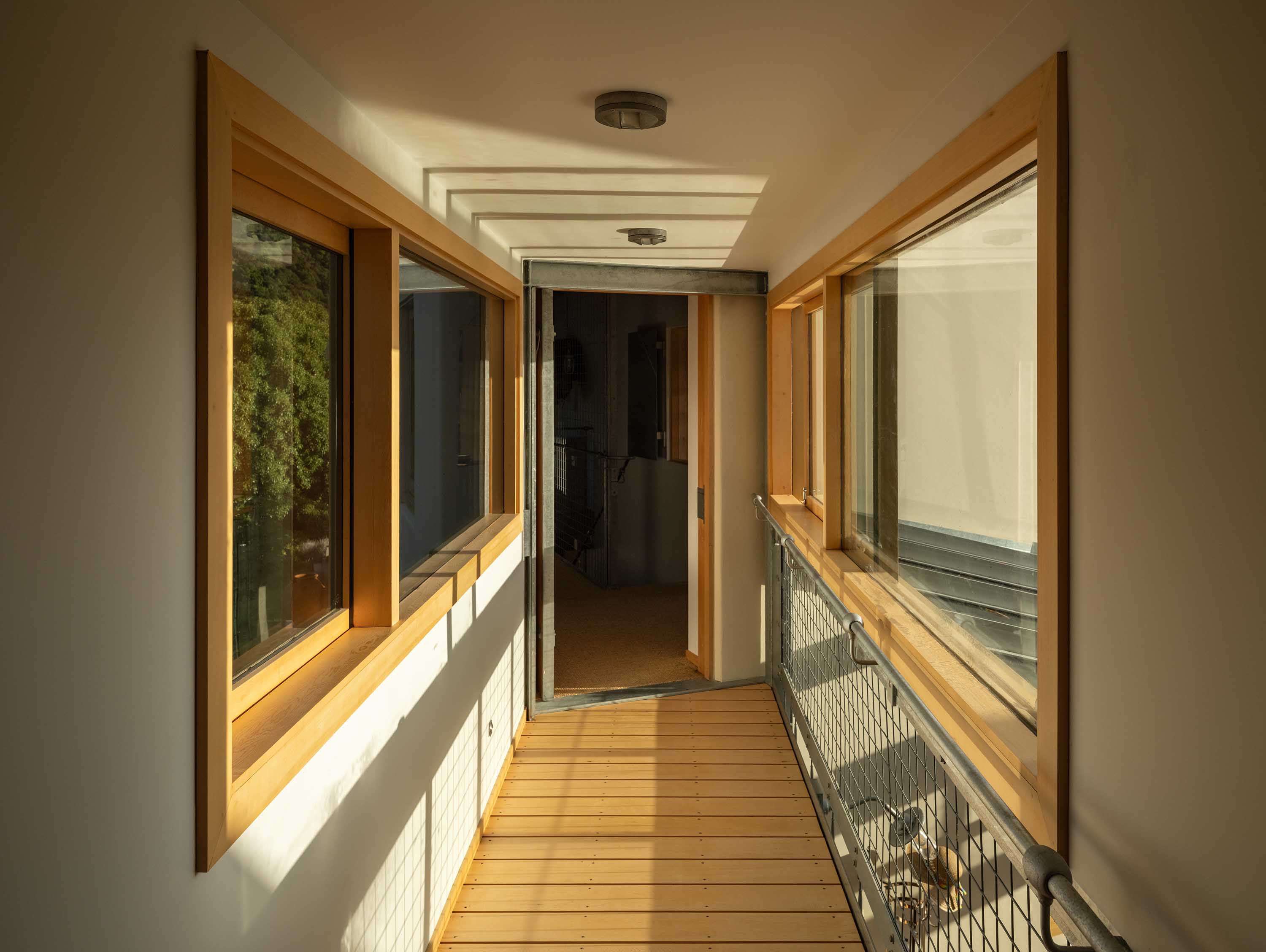
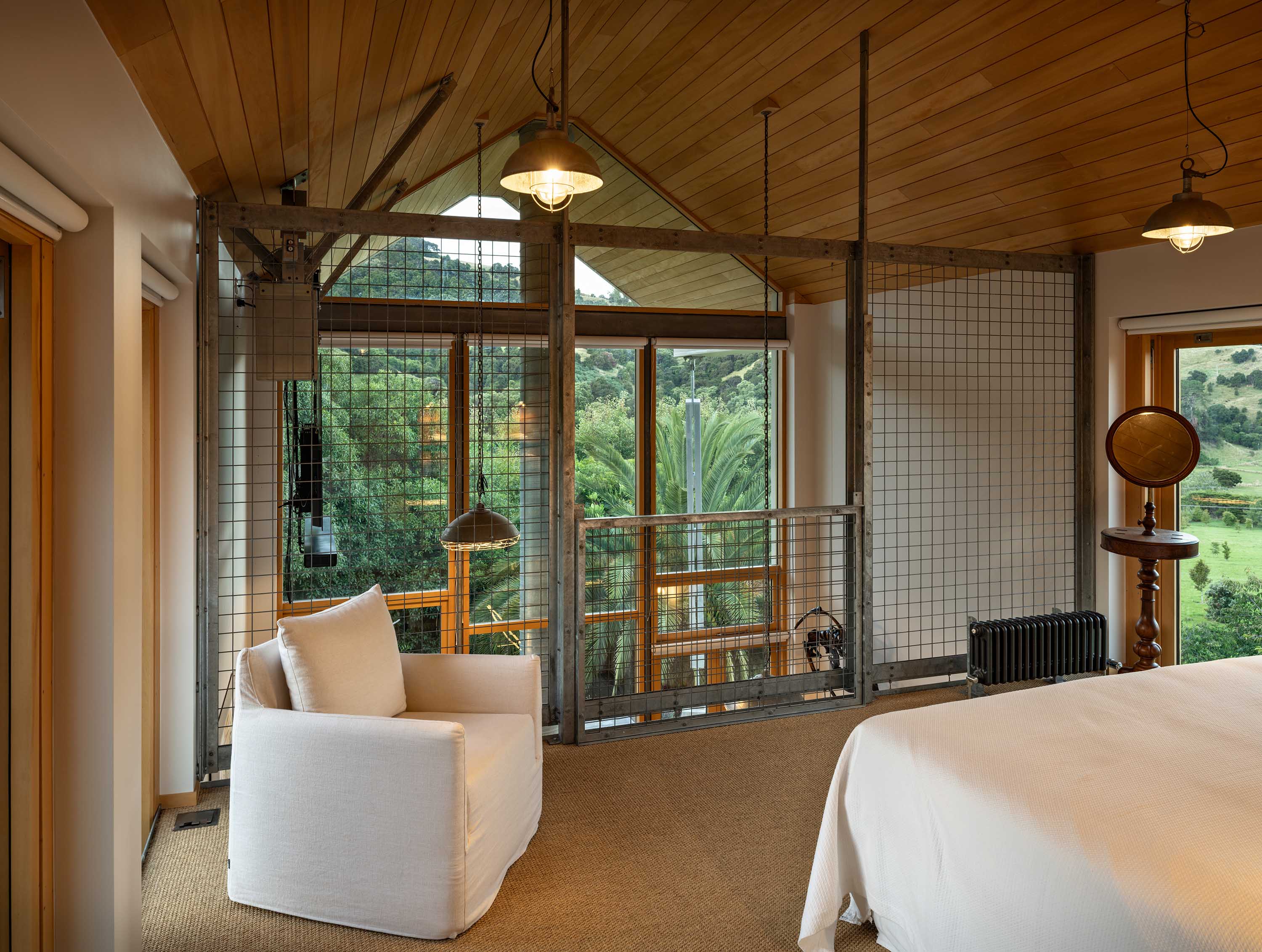
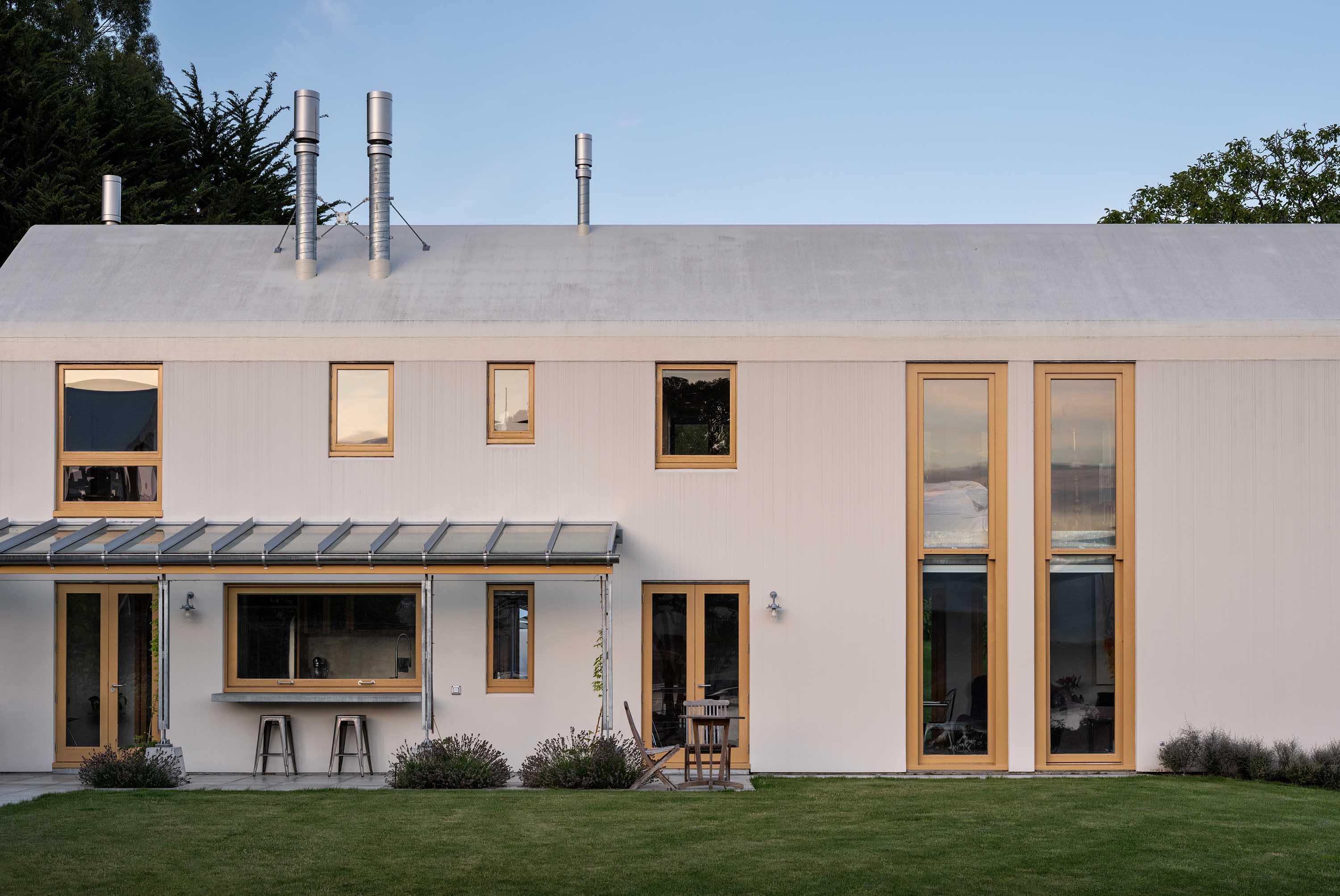
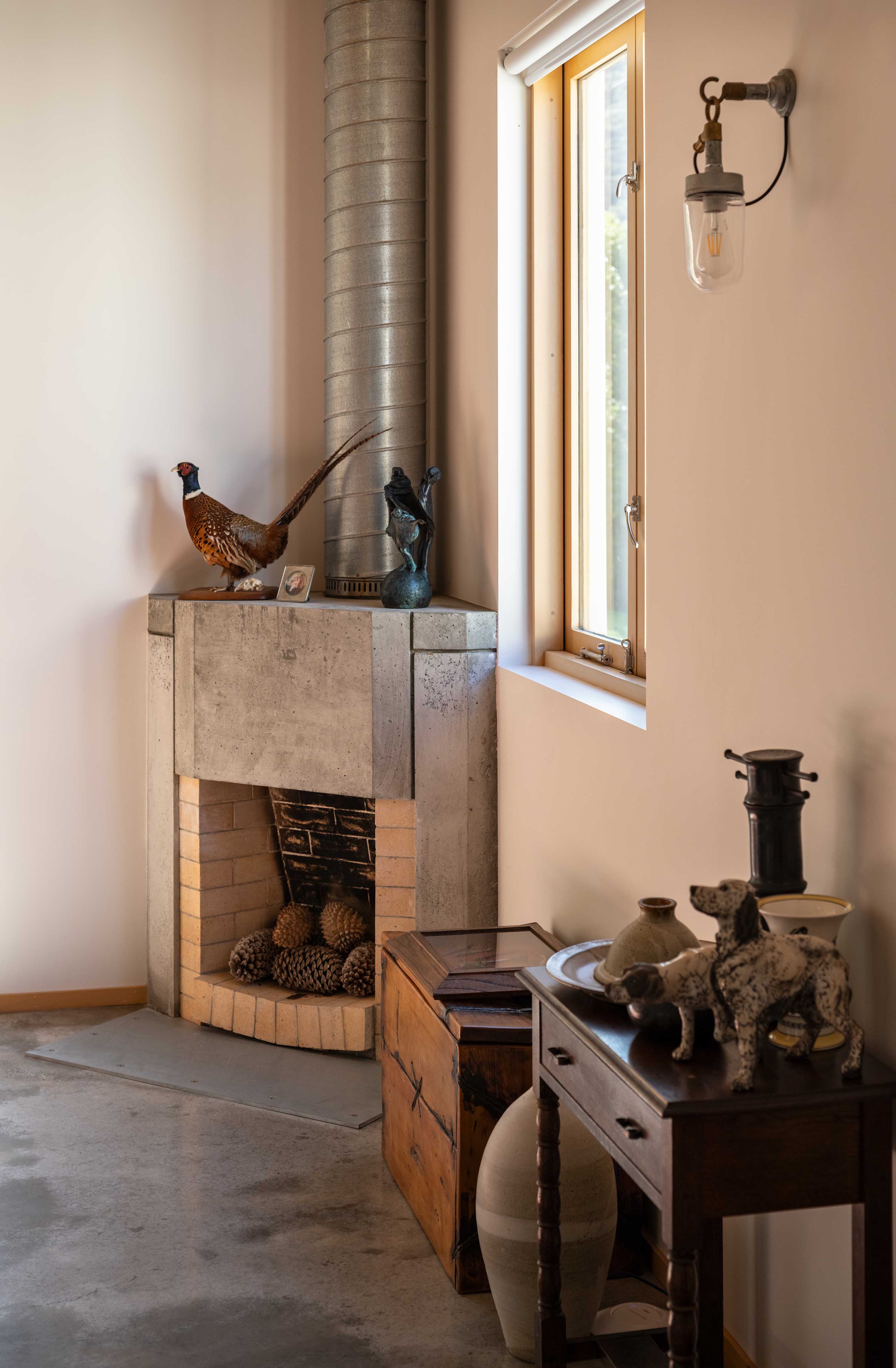
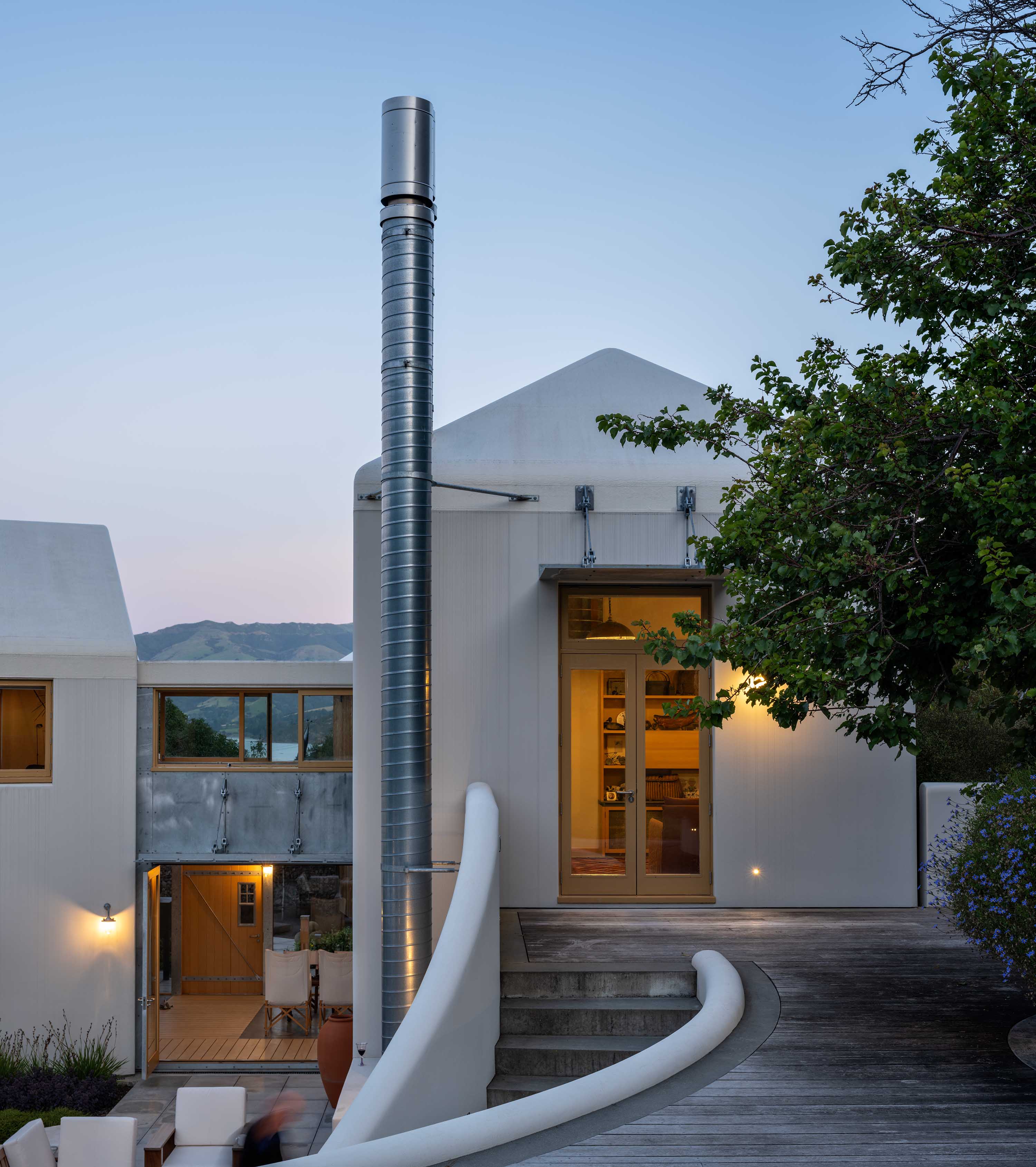
The puffy white home is an intrinsic response to the site. “A couple of shoeboxes that we tried to make a bit interesting,” as the client wryly puts it. He and his wife occupy the front wing, with the kitchen and living spaces on the ground floor and a primary suite (complete with fire-warmed snug) above. A glazed bridge connects to the guest wing, which houses bedrooms, a kids’ mezzanine, bathrooms, a living room, office and laundry. A generous western courtyard provides common ground between the two forms, with other outdoor spaces, a timber-clad garage, gardens, sheds and a bell tower fanning out into the landscape. Like the clifftop house, the design strikes a balance between open, private and transitional spaces, providing the residents and their guests opportunities for solitude or social connection.
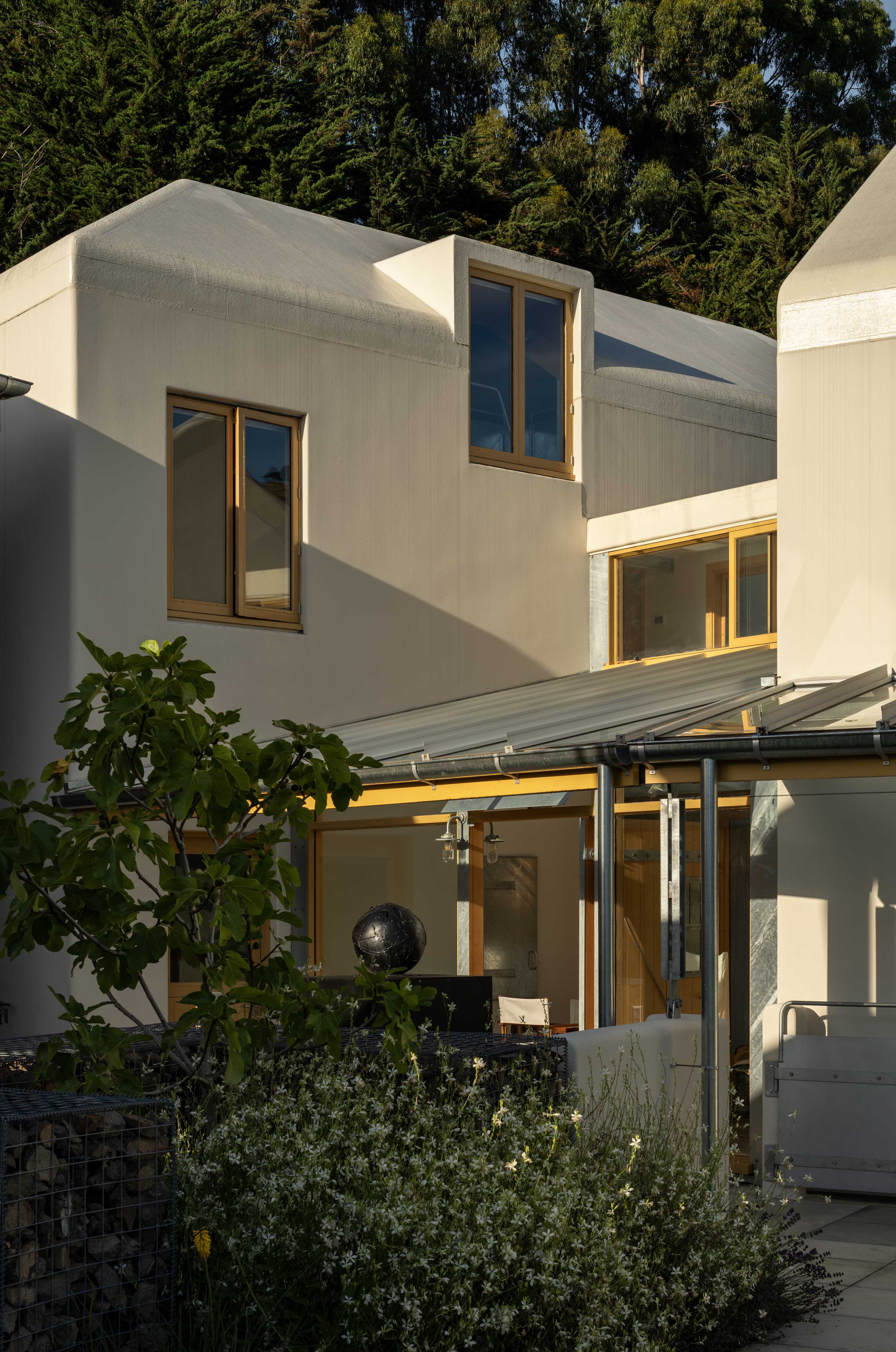
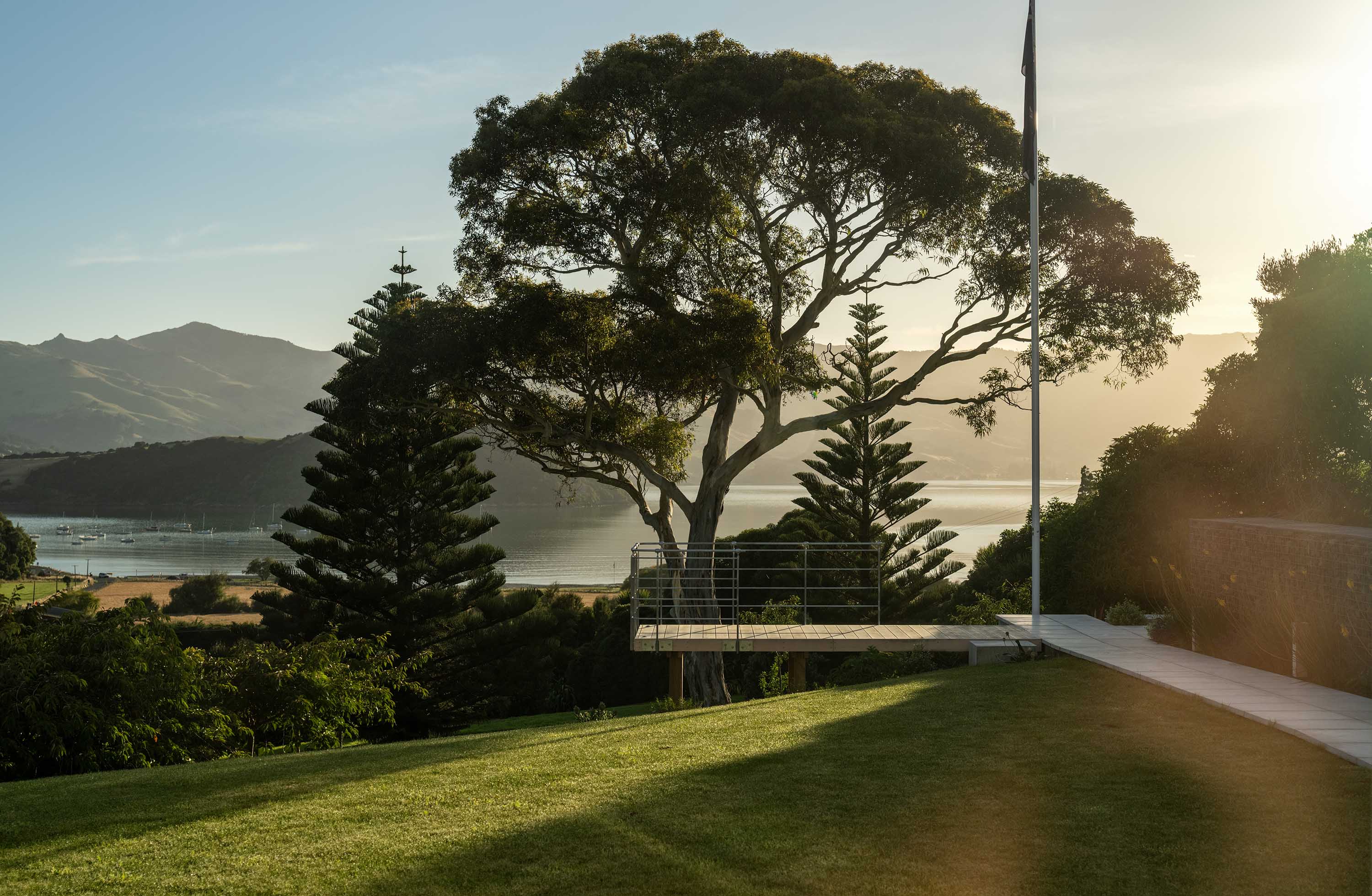
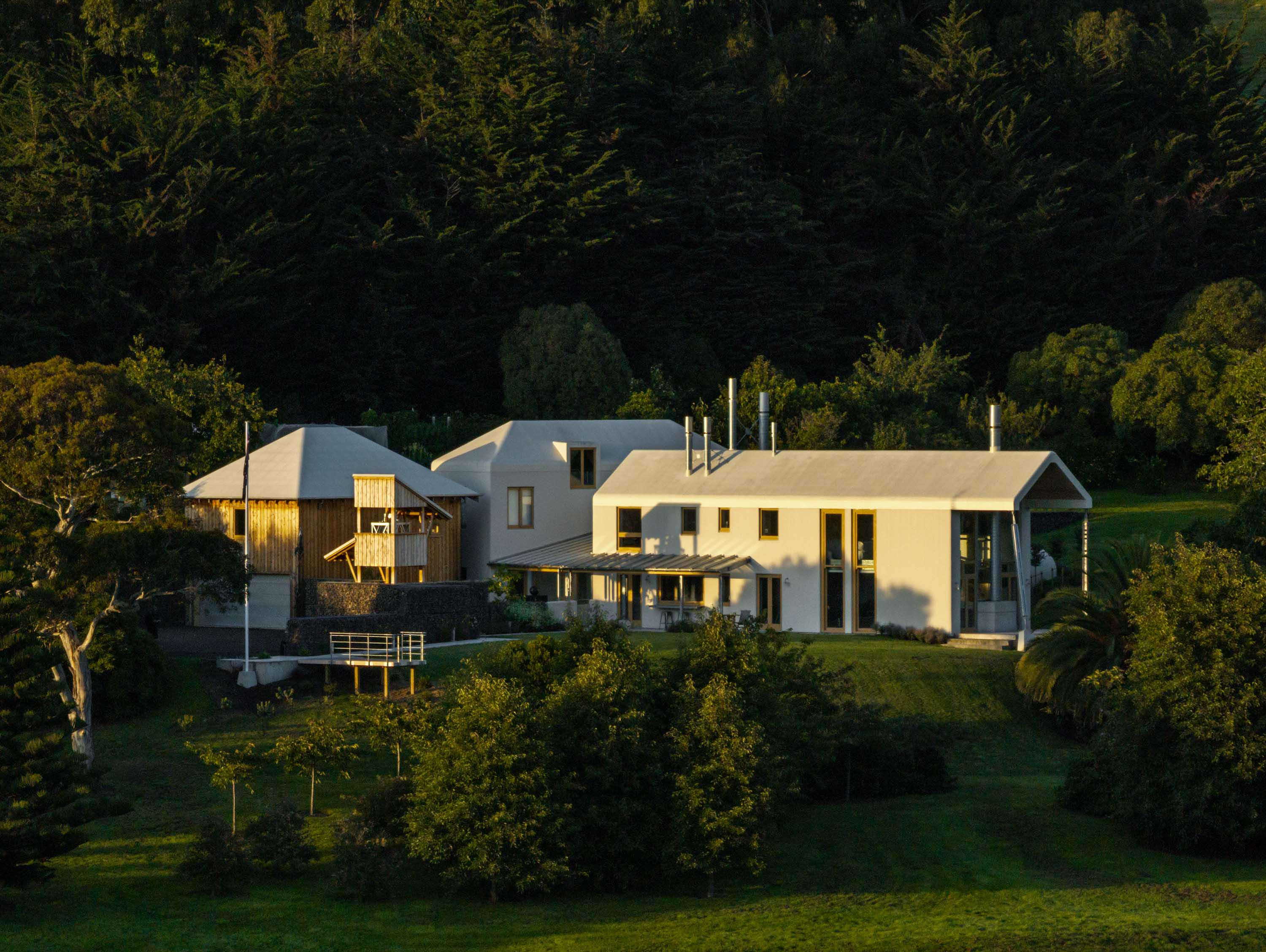
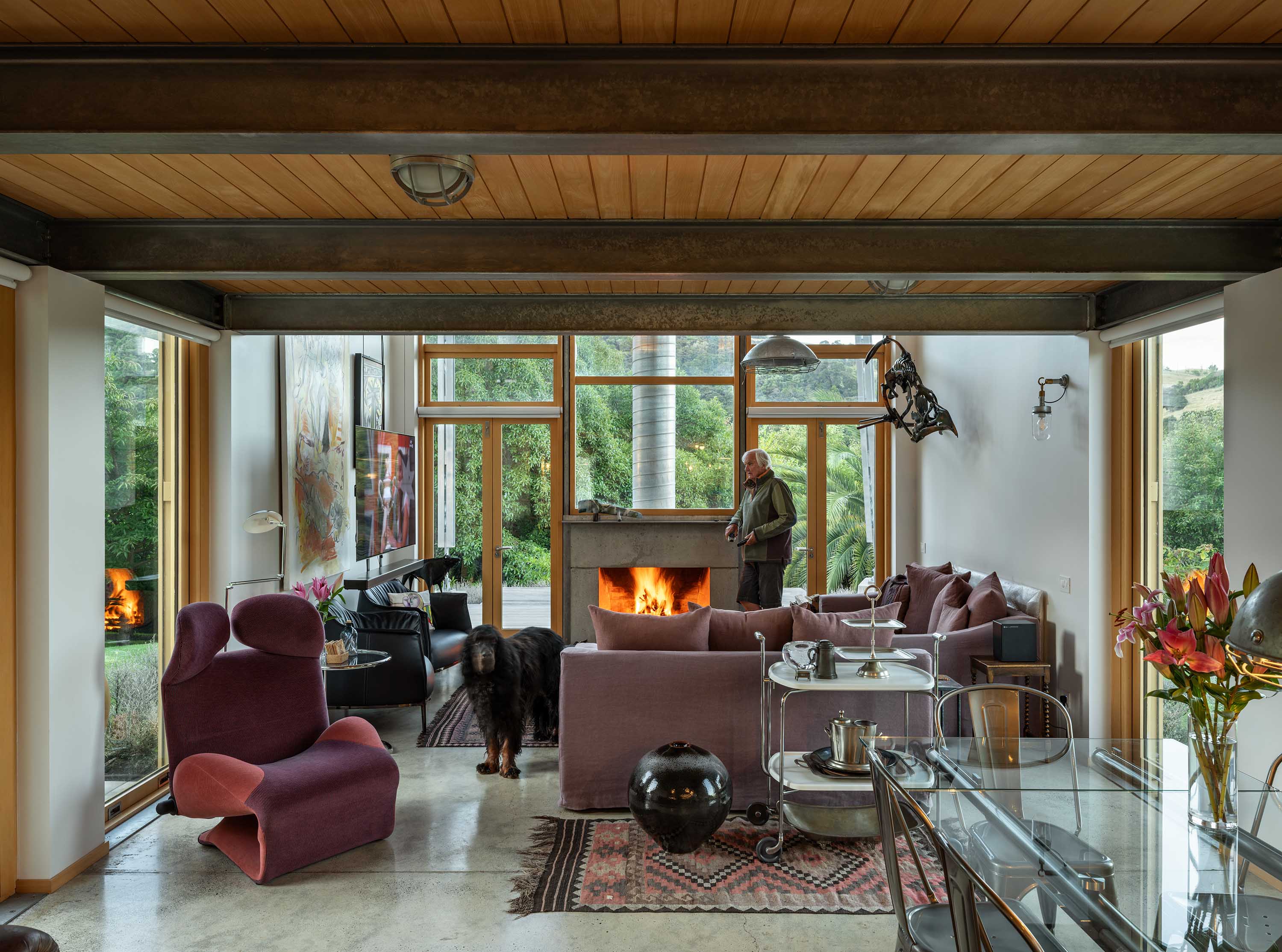
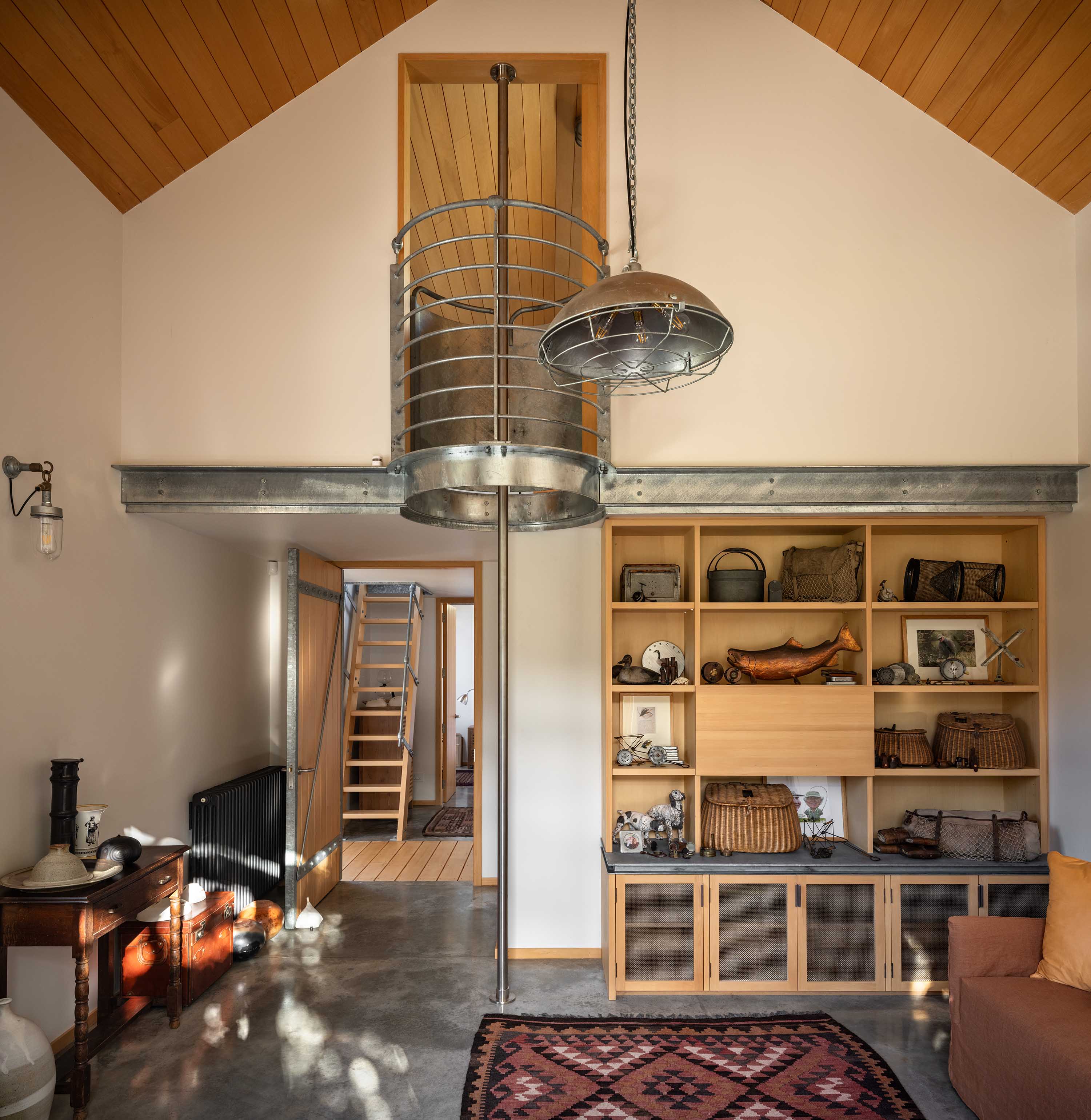
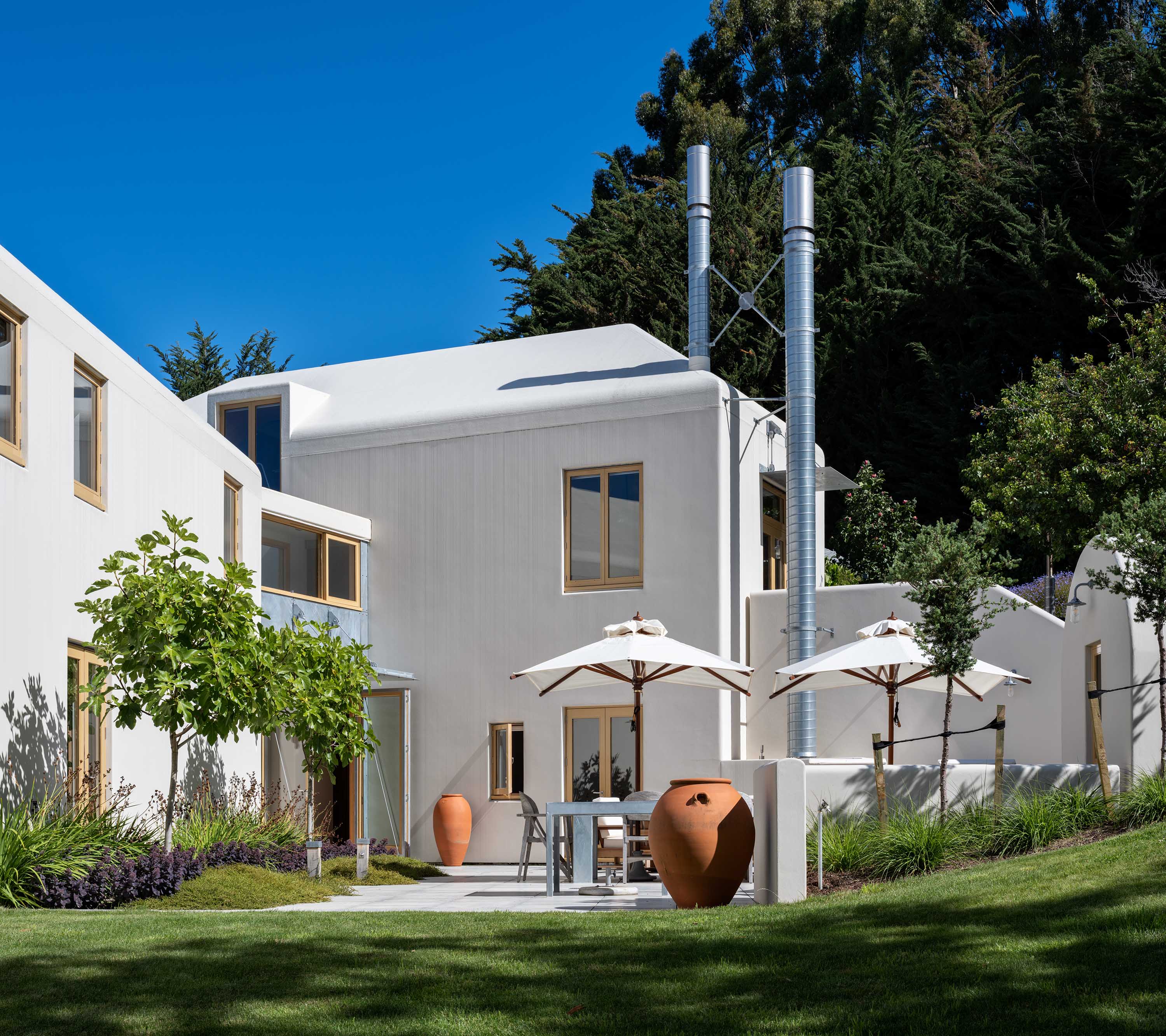
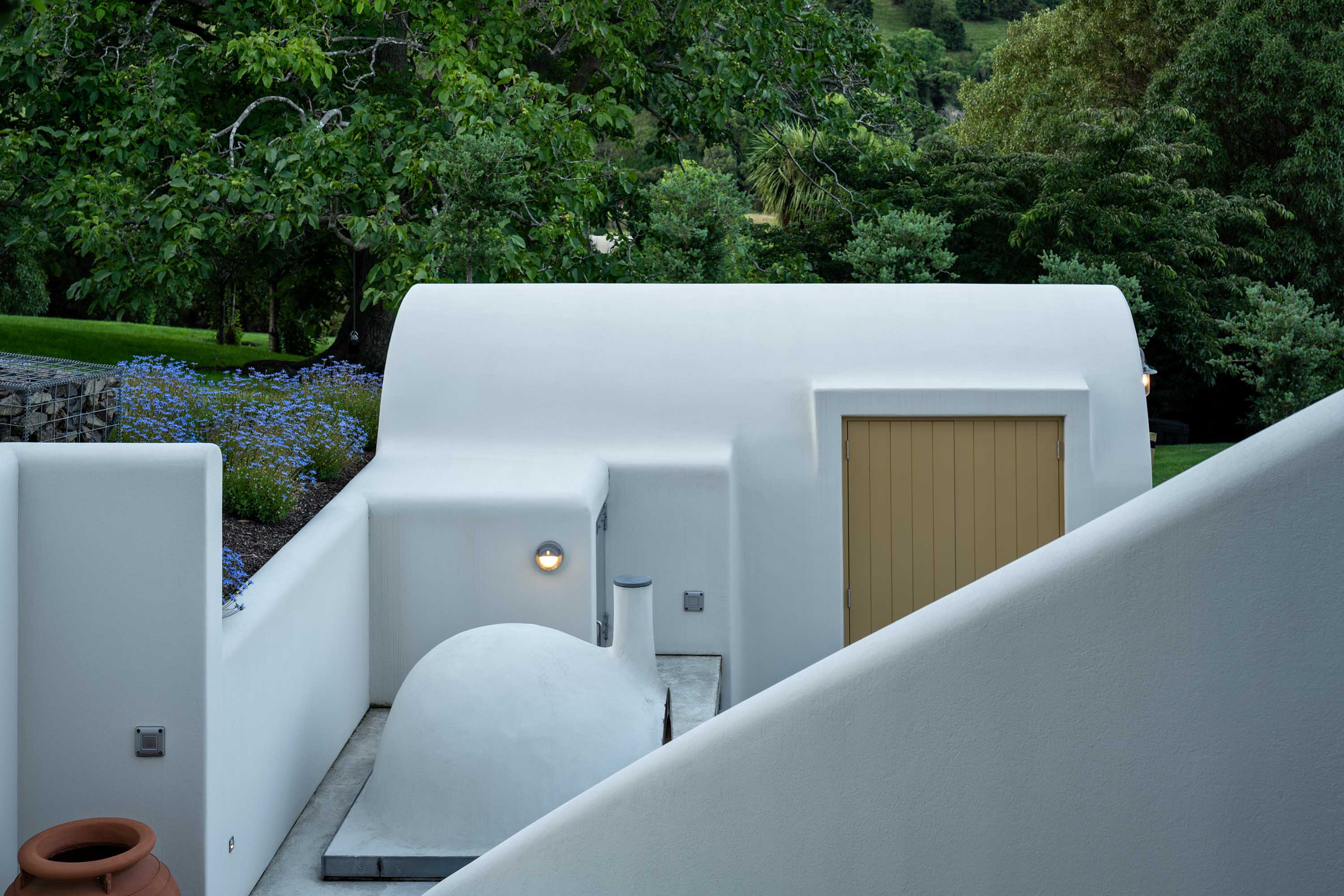
“Some of the old home’s philosophies were brought across and reworked here,” says Zac. “And there was a strong attempt to recycle bits and pieces that felt special.” As with its predecessor, a natural relationship to the land was important, so the home sits low and level in the hillside, the terrain rising and falling around it. The familiar plaster finish is a nod to the cliffside home and Ath’s back catalogue. “It’s not black or grey or green, it’s trying to express its form. A house in a green setting that isn’t apologising for being a house,” says Zac. A few salvageable assets have been folded into the build, too, with the client recently bartering a dozen bottles of beer to save some lovely twisted-metal posts from the wreckers.
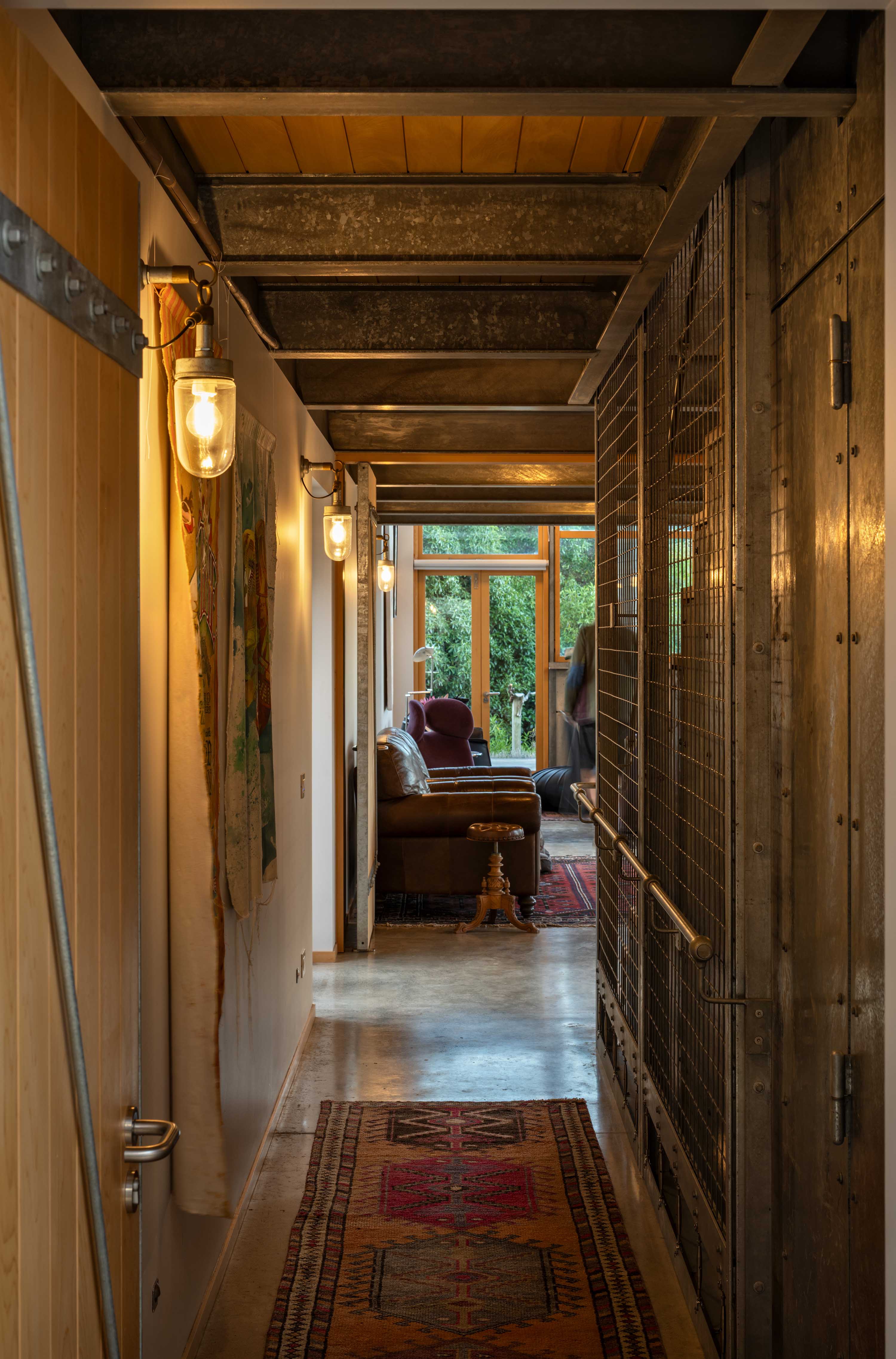
While Ath sadly passed before the home was completed, his fingerprints are everywhere – in the spatial planning, plaster finish, zinc panelling, mesh grates and bolted connections. It’s a culmination of the visionary architect’s greatest hits that still feels thoroughly rooted in the now. The minimal material palette is inventively applied inside and out. The signature plaster façade, for example, quietly transitions into the white membrane roof, with no gutters or downpipes to add noise. The water runs into strip drains that encircle the house – just as it does at Athfield’s Wellington hillside house and office.
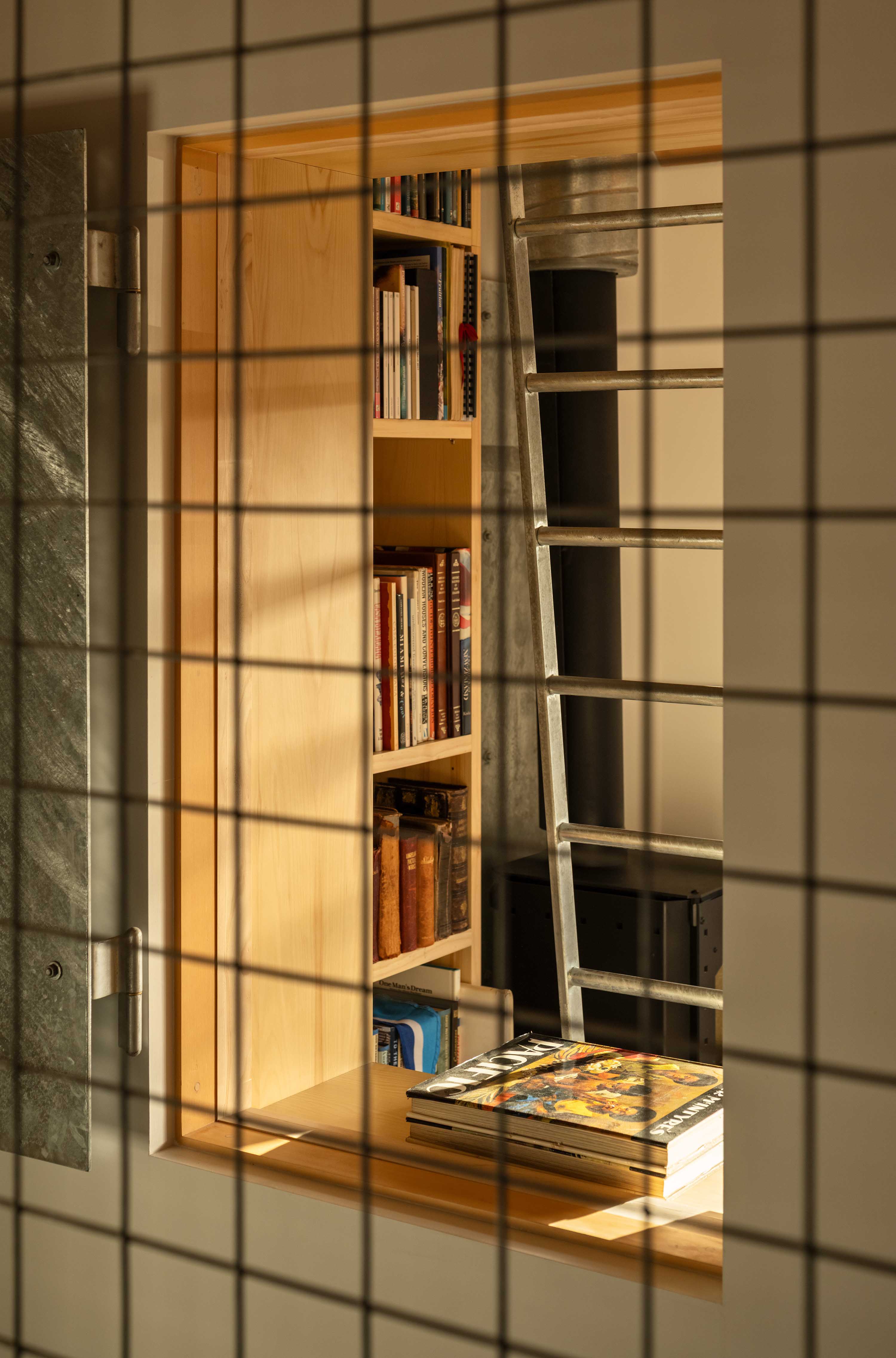
It’s also filled with creative responses to design challenges: a fire pole that provides safe access from the kids’ room to the living room below; a winch system that hoists the TV up into the ceiling and out of sight; and a grated steel wall that slides open to accentuate the volume of the primary wing. Unsurprisingly, there were tiffs with the council, but rather than reining in the home’s whimsical idiosyncrasies, the clients embraced them – as evidenced by the kinetic fish and bird sculptures (designed with friend and artist Sam Mahon) that come to life as you arrive.
The rigour and standards the client has maintained throughout the decades is remarkable. Every decision has been analysed and justified, and the house is richer for it. Take the timber bell tower, for example. The client scoured the country for materials until he happened upon some bronze church bells that had been retired post-earthquake. Offering a donation in exchange for one, he was disappointed upon its arrival to discover it was cracked and didn’t ring.
Undeterred, he located a foundry that used the original bell to cast a new mould, and then sourced fresh metal for the pour. At the same time, a new bell wheel was made, and the tower (crafted from Lawson’s cypress, like the garage) was drawn and built. It took years, and a more sympathetic bell rope is still in the works. “I don’t call this house a project, it’s a journey,” says the client sagely.
This dedication to detail has defined the entire process. “It’s a client’s house that holds so much of their personality and attitude in it. What we’ve done as a team – generations of architects – is support them,” says Zac. “The main aim was to create spaces of varying volume and purpose that felt good to be in,” agrees Pippa Ensor – the latest architect in the home’s long lineage. “You can see the history within the design and architectural components, but there are so many more personal layers.”
Construction is about to begin on the client’s “folly”, a small shelter in the paddock below. “It’s somewhere for me to push my zimmer frame to when I’m old, and sit in the late-afternoon sun, looking back up at the hills and the house,” he says. After a 40-year journey of consistent care and craftsmanship, this home has well and truly earned its moment in the spotlight.
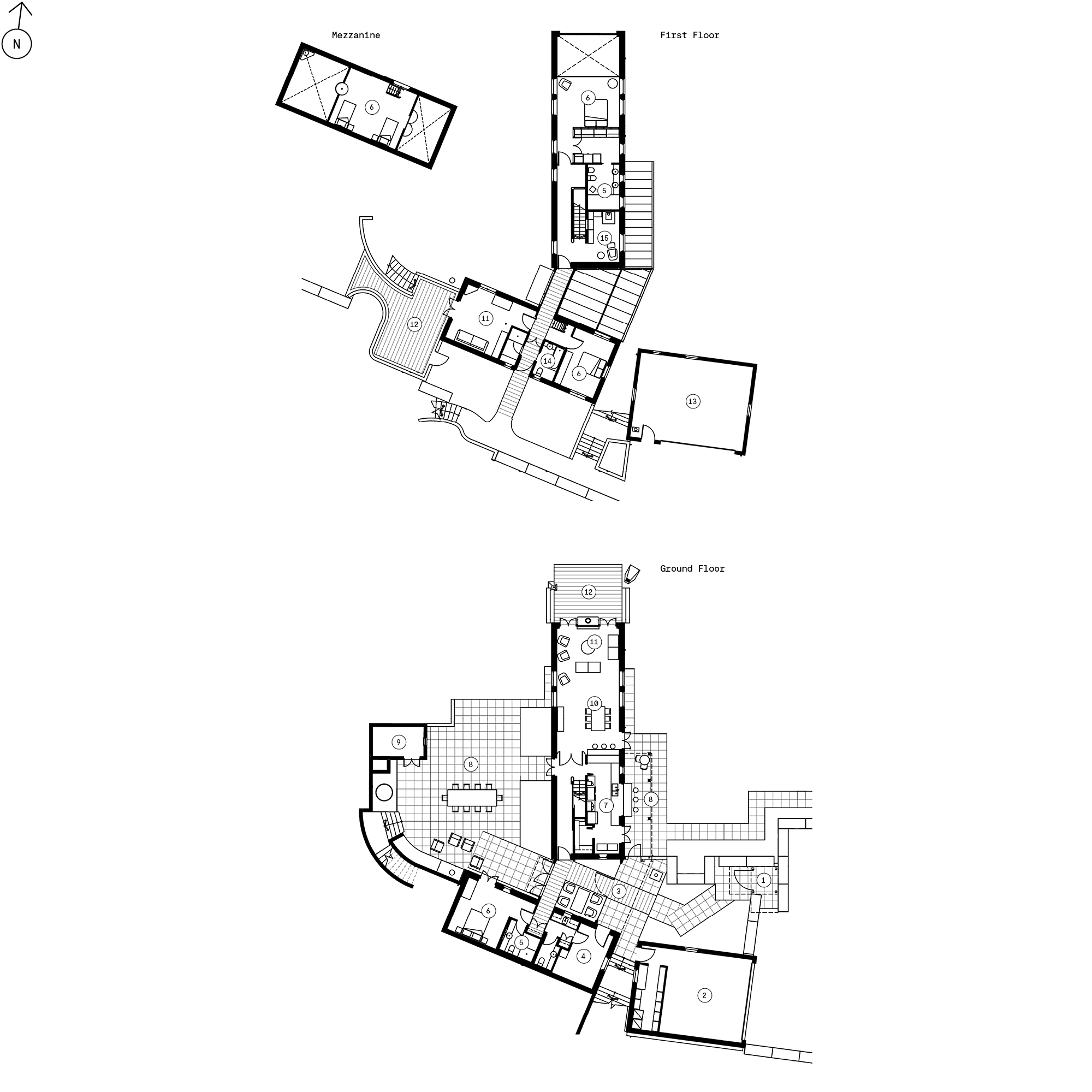
1. Bell Tower
2. Garage
3. Entrance
4. Office
5. Ensuite
6. Bedroom
7. Kitchen
8. Outdoor Living
9. Storage
10. Dining
11. Living
12. Deck
13. Garage
14. Bathroom
15. Library
Related Stories: