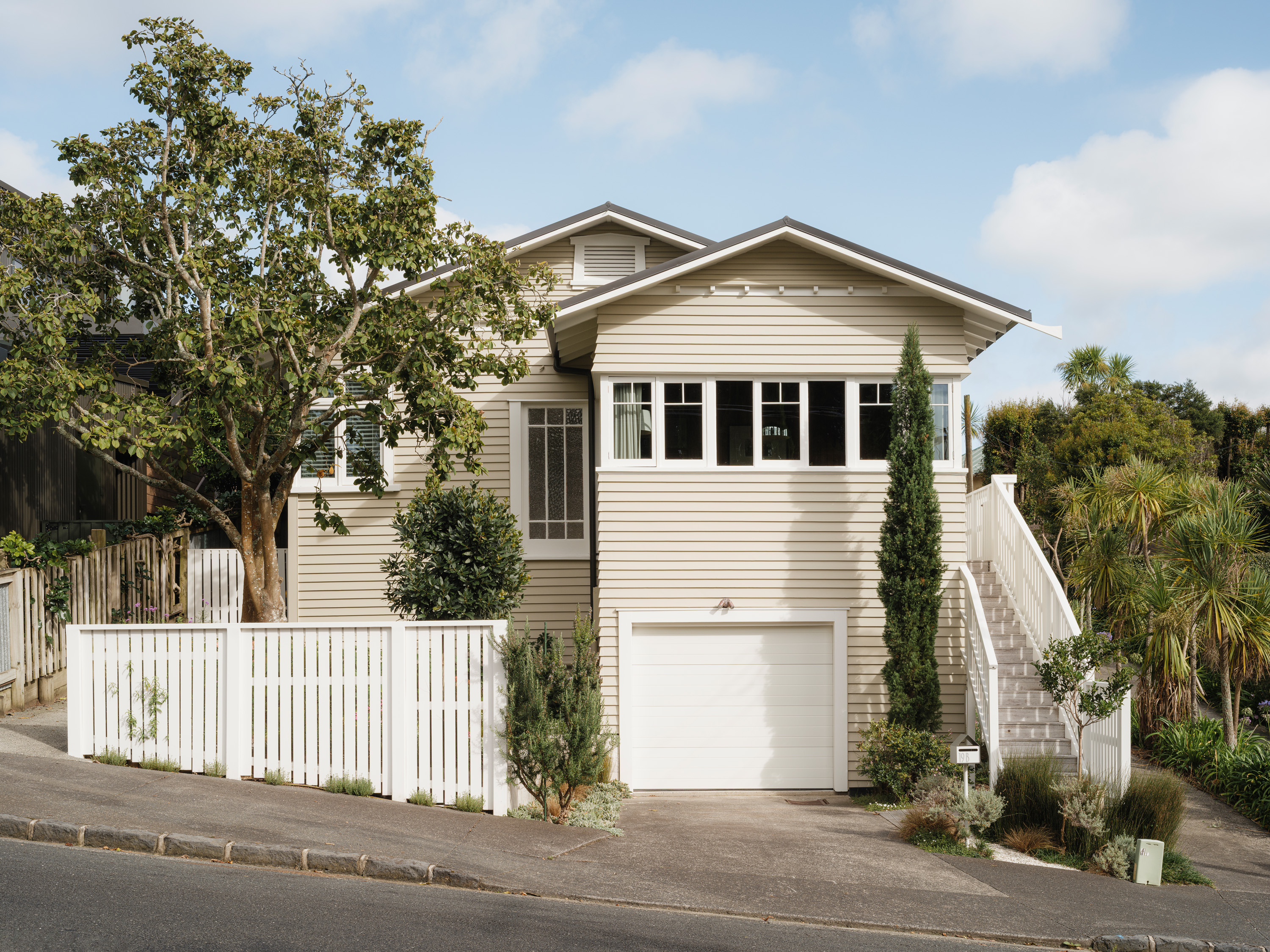
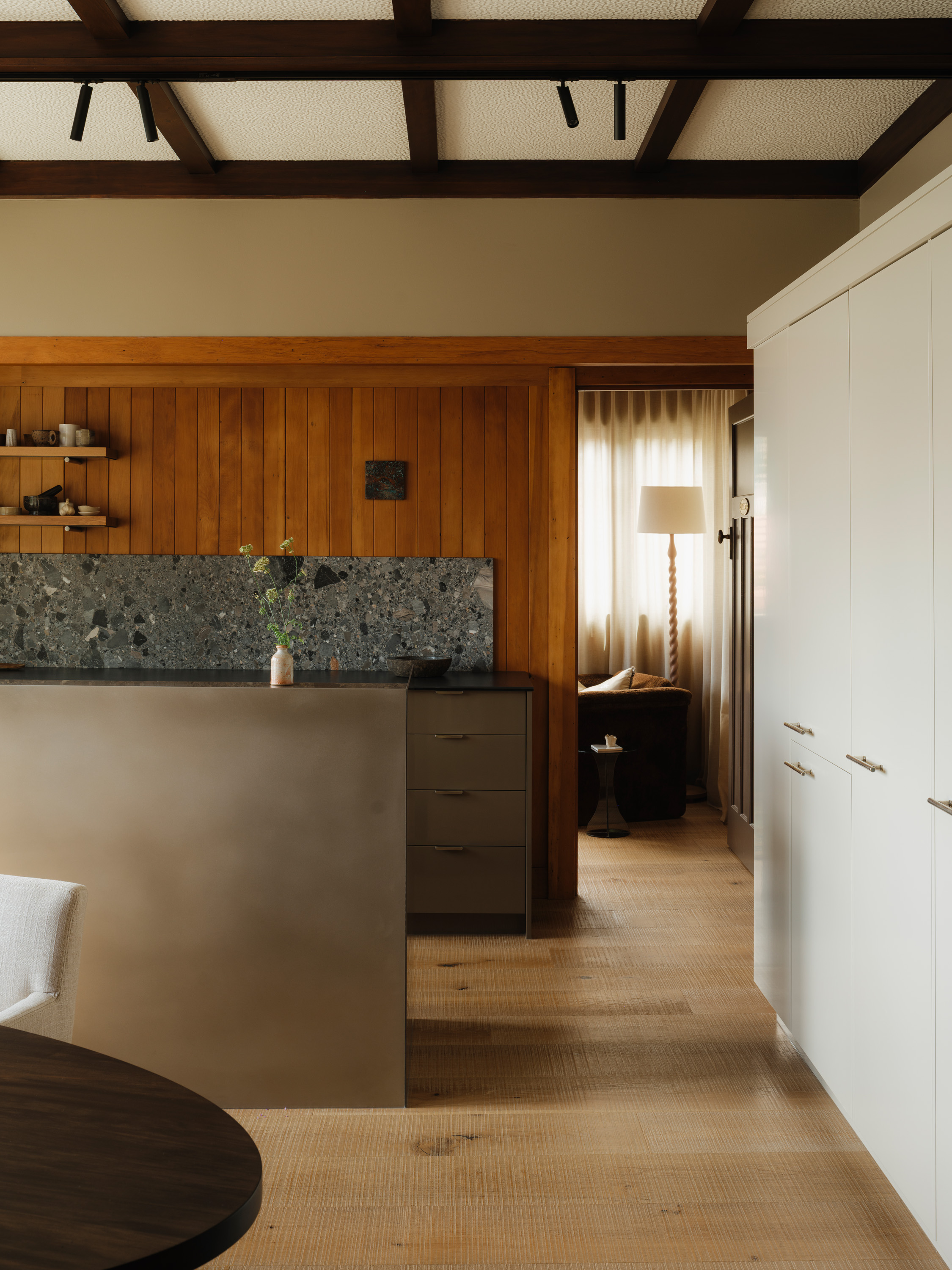
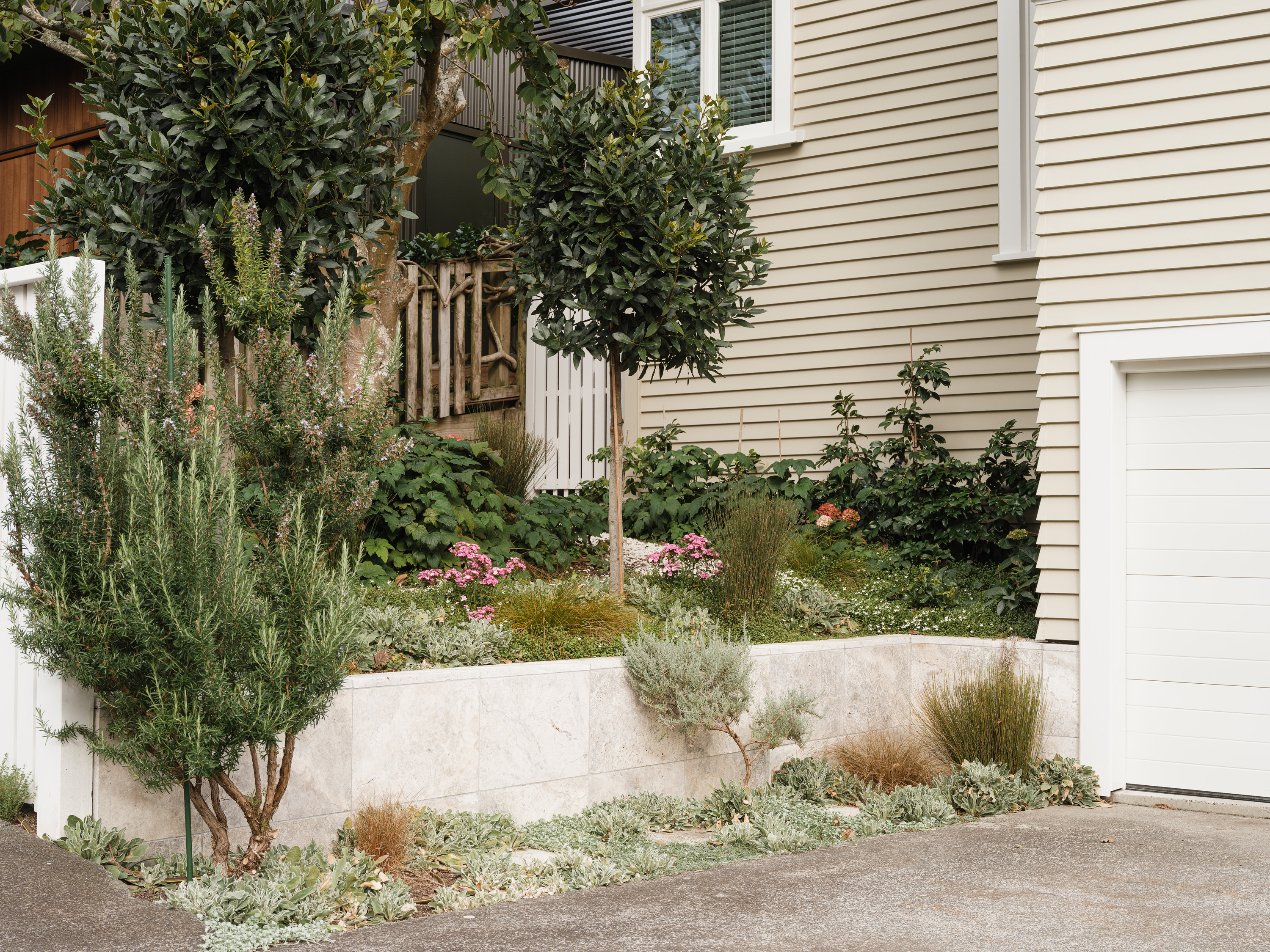
When Matt South and Alex McKay first saw their bungalow in Westmere, Tāmaki Makaurau Auckland – perched on a gentle rise, north-east light moving through the house – they immediately put in a pre-auction offer with a deadline of that evening. They’d been living in Freemans Bay; a modern apartment where everything was open and connected. The bungalow was different in almost every way.
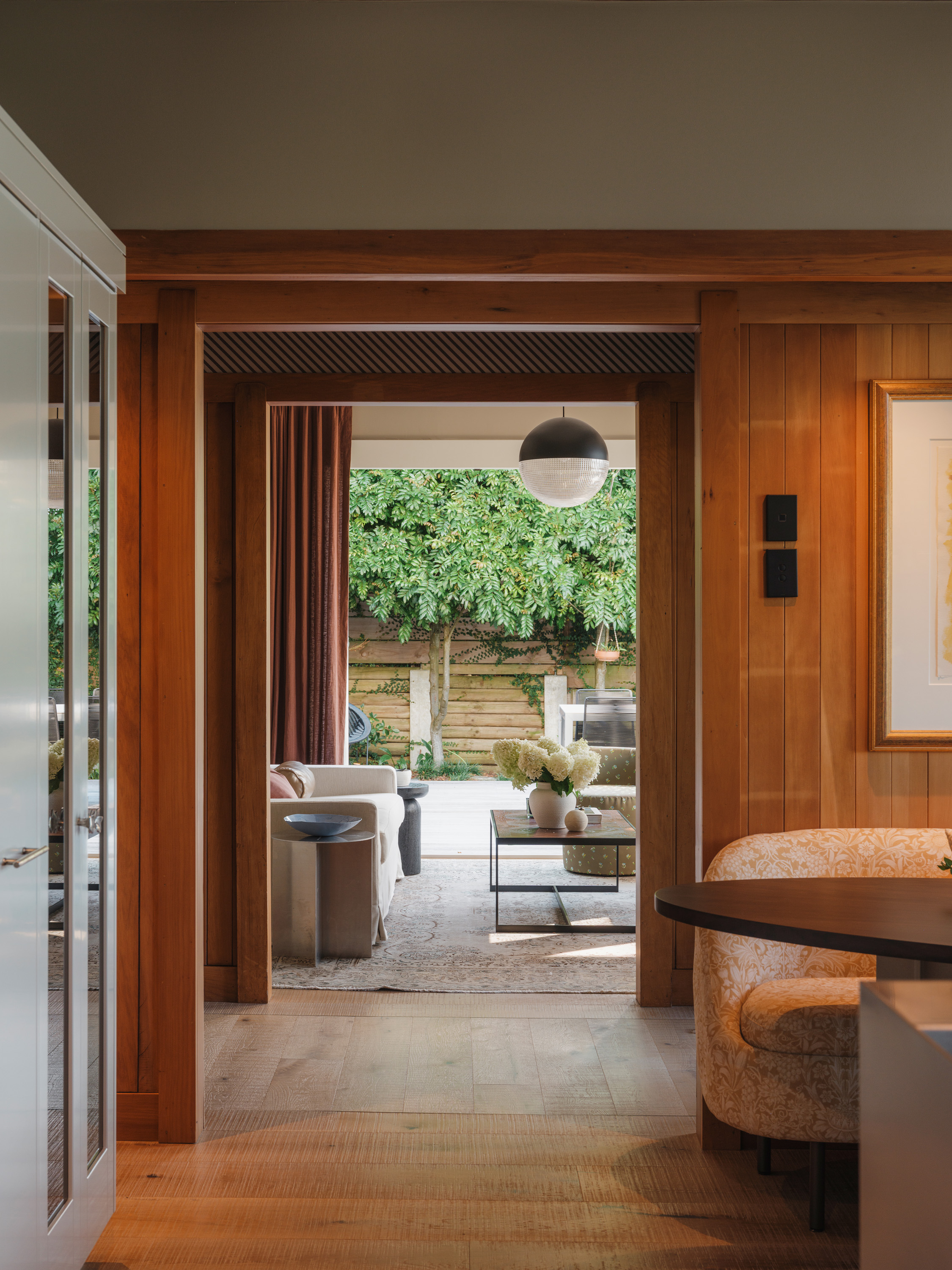
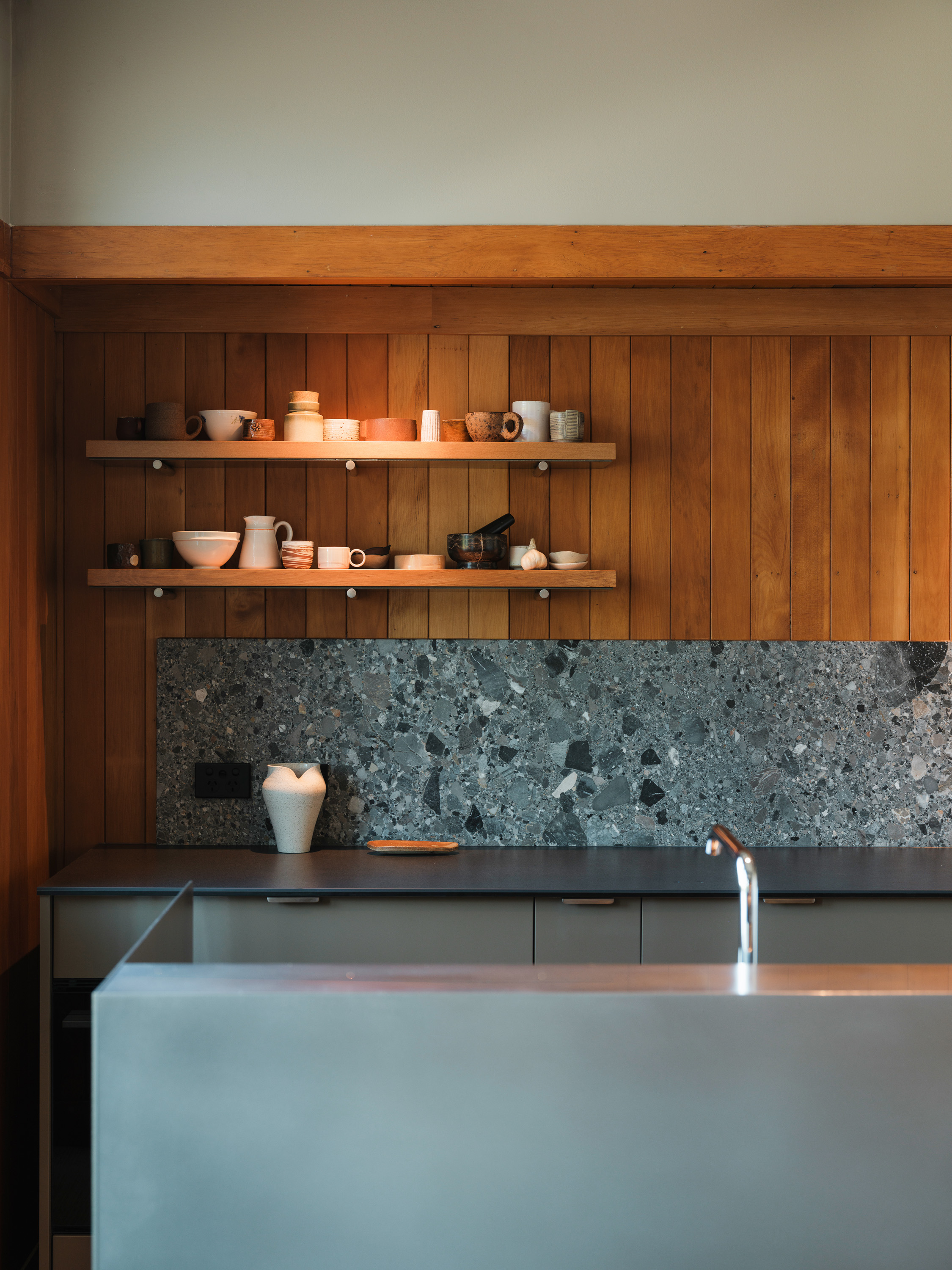
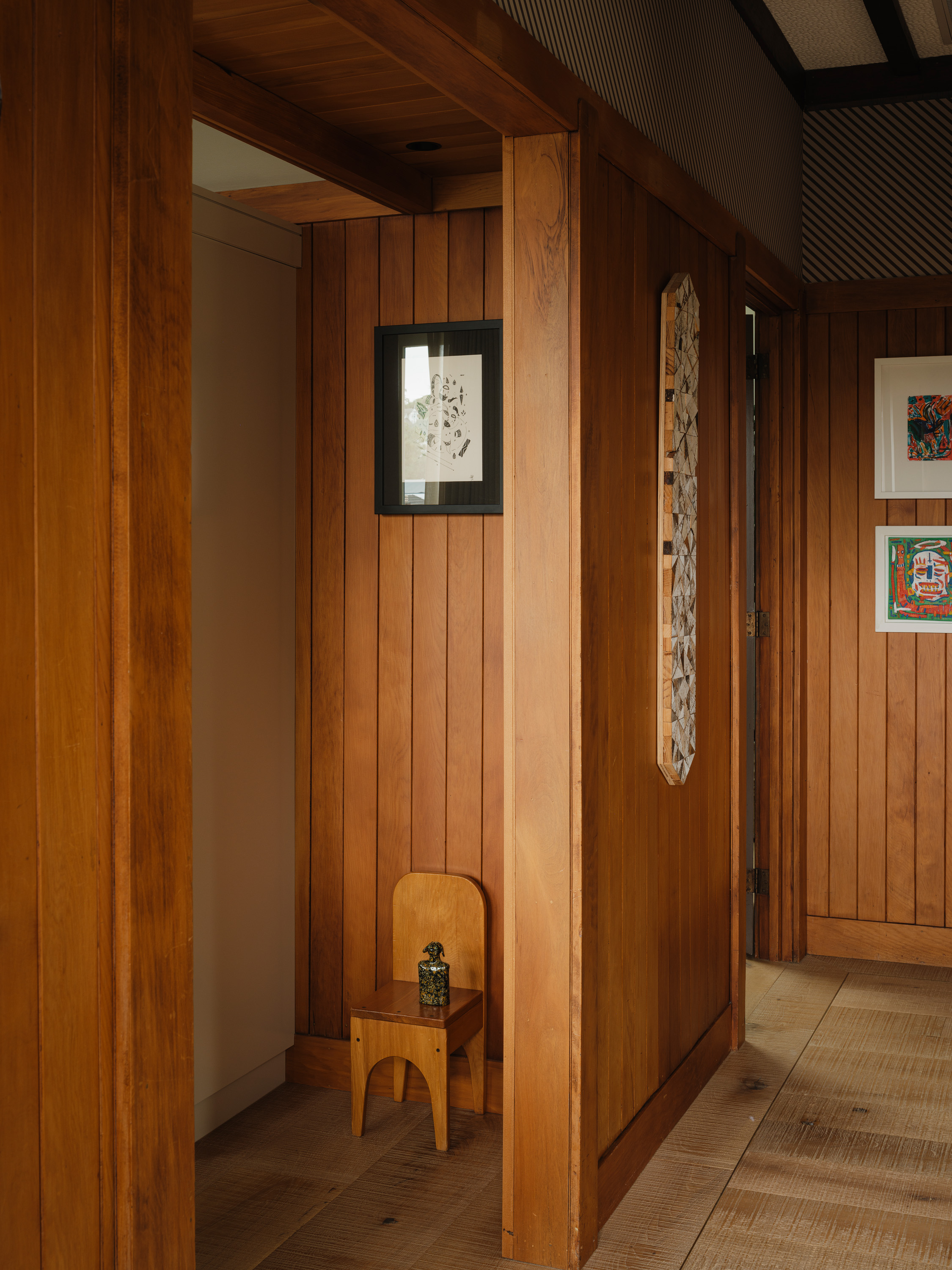
It was also older than it looked, and from somewhere else entirely. The house had been built in the 1920s on Lincoln Road in Henderson, as a manager’s cottage for an apple orchard. In the 80s, a young woman on a tight budget had it lifted, trucked across the city, and set down on a new concrete basement in what was then an unremarkable suburb. She put French doors where the fireplaces had been. Small tiled sections, where the hearths had been, remained as evidence of the house’s previous life. As did the timber-lined walls, which dominate the entrance, kitchen and dining room.
“It was so overwhelmingly woody,” South says. “My first instinct was to paint all of the timber panelling out.” He cringes at the thought now. Neither South nor McKay had ever lived in a house with character like this. “Every time someone came in for the first time they would say, ‘Oh my gosh, it’s so warm and cosy.’ And the longer we lived here the more we fell in love with it.”
They’d been looking for an immediate project but, luckily, they waited. They lived in the house for three years before changing a thing, building a 3D model of the floorplan and iterating through possibilities. They talked about it constantly. At various points the plan involved removing the wall between the kitchen and the small den, creating a large open-plan kitchen and dining space. “A lot of that was driven by what we thought was the best real-estate decision,” South says. “What would sell well, what would appeal to a bigger market.” Then they realised they had no intention of selling. “Giving ourselves permission to design the house for us meant we could keep everything we loved about it.”
That den had gradually revealed itself as the unlikely heart of the house. The couple spent mornings there with coffee. Nights entertaining ended there. “It’s slow living in that room,” South says. “You light a candle, you read a book. It removes you from a faster pace of life. You can’t see the kitchen, you can’t hear the washing machine. Someone said at one point that it’s like a time warp – the time just slips away.”
Once they stopped trying to fix what wasn’t wrong, they realised what the house needed wasn’t openness but flow. The solutions were more surgical than drastic: a wide opening punched through from the kitchen-dining room to the rear living room, and new bifold doors to replace a pair of French doors to the deck. “It’s a compact house but the separate spaces suit how we live,” he says. “It would have been a crime to blow open these rooms and strip the house of its intimate spaces.” The result is a series of rooms that feel distinct but connected, and can be progressed through during a normal day working from home or an evening of entertaining.
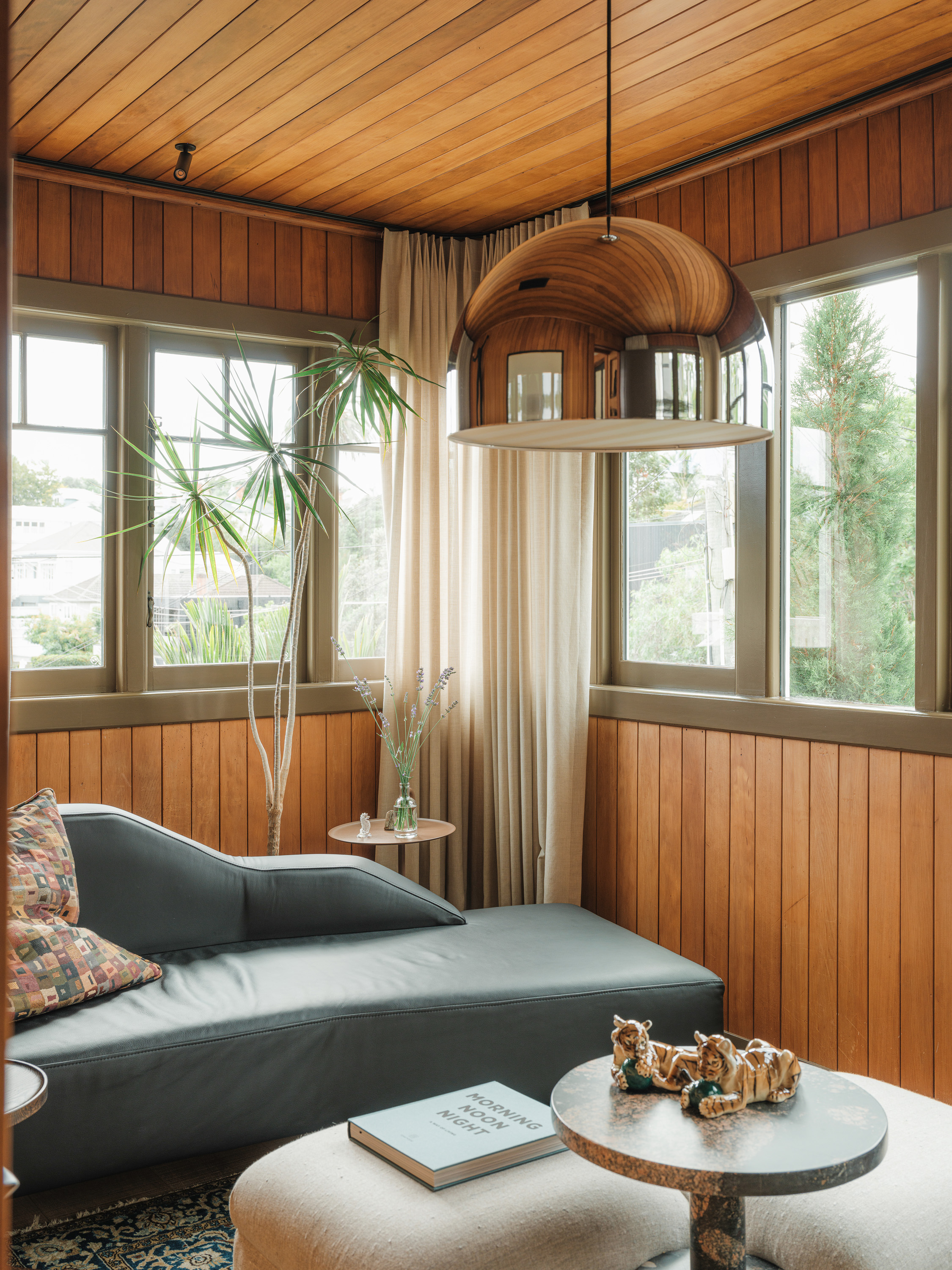
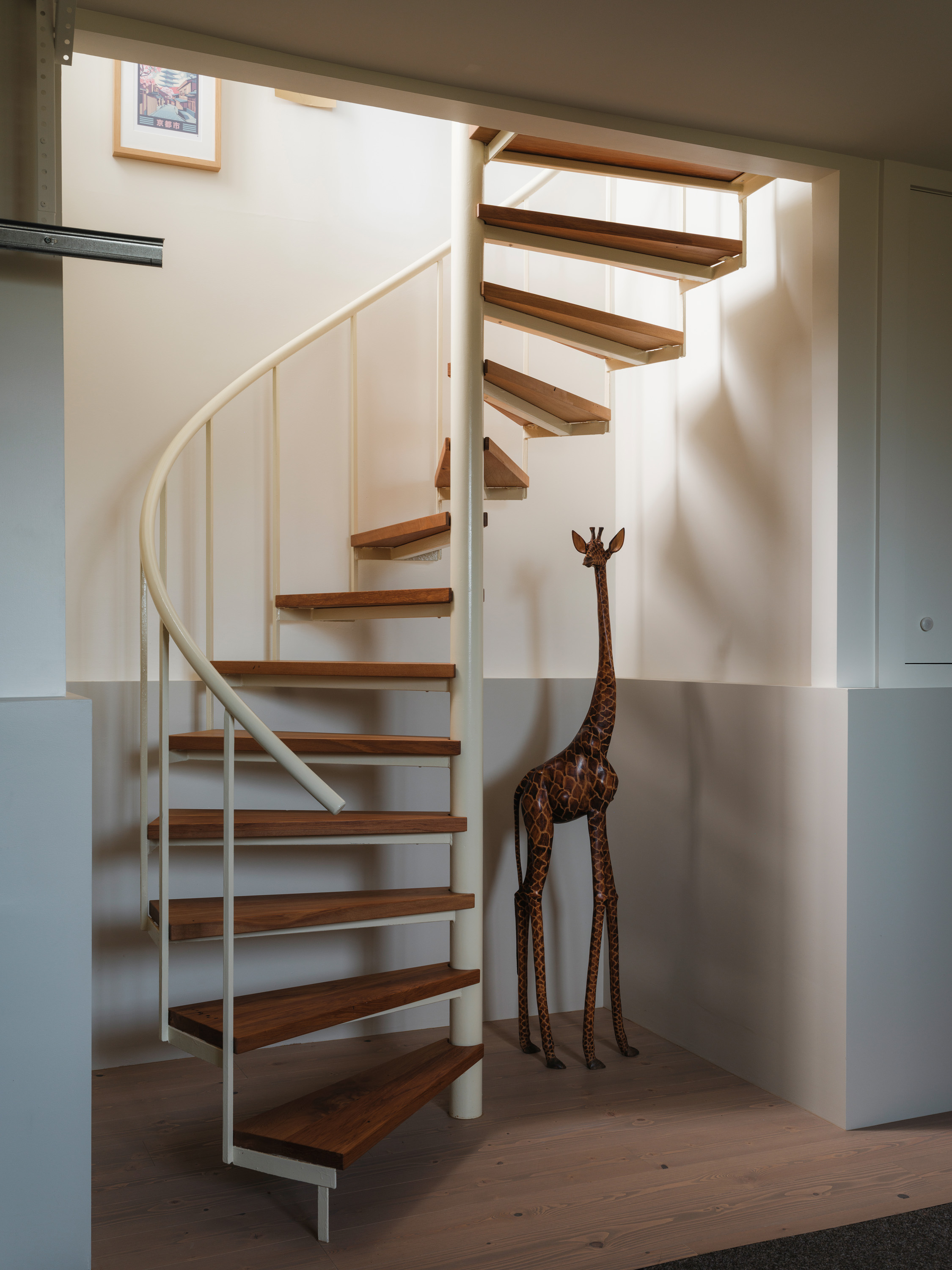
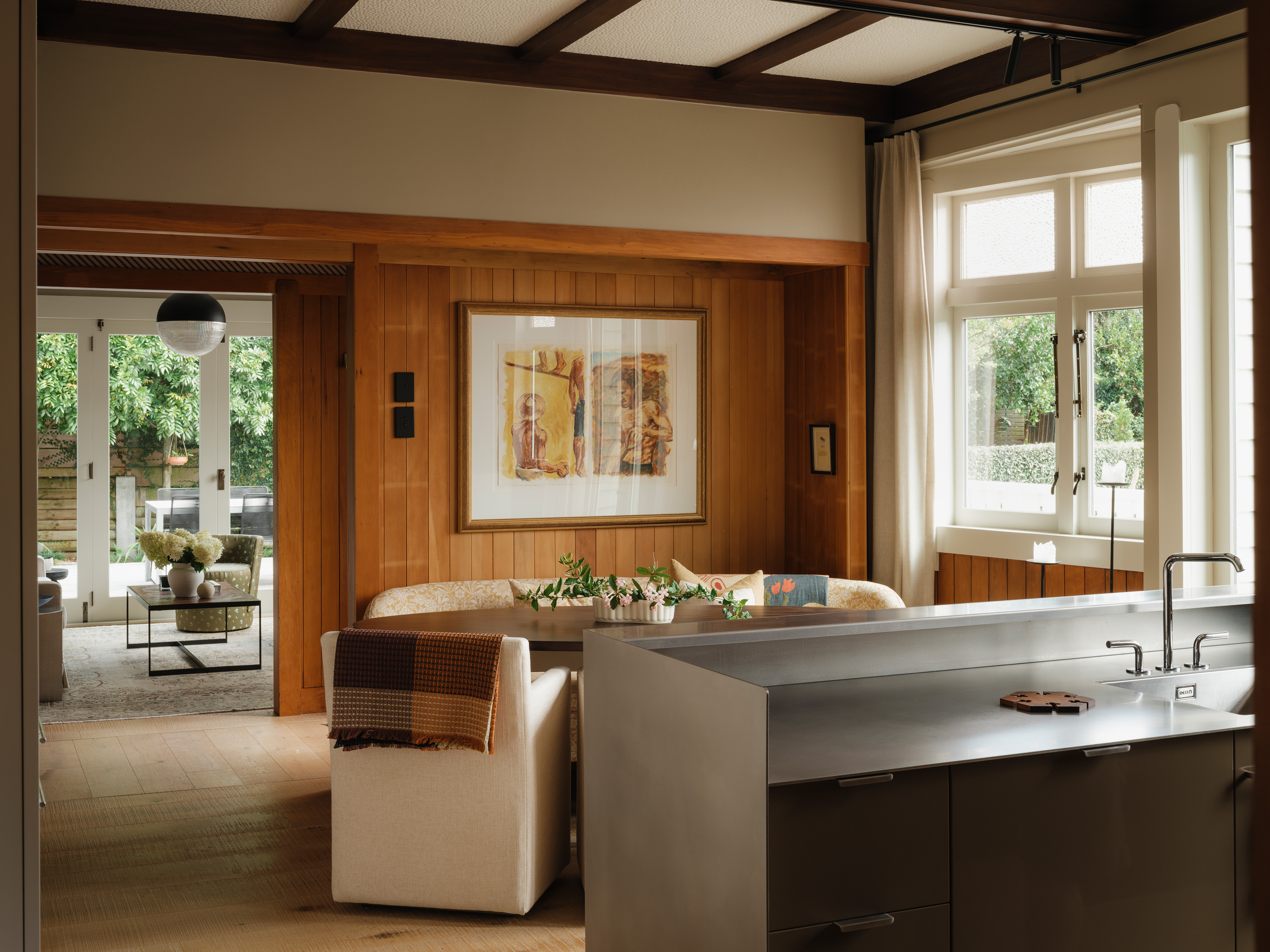
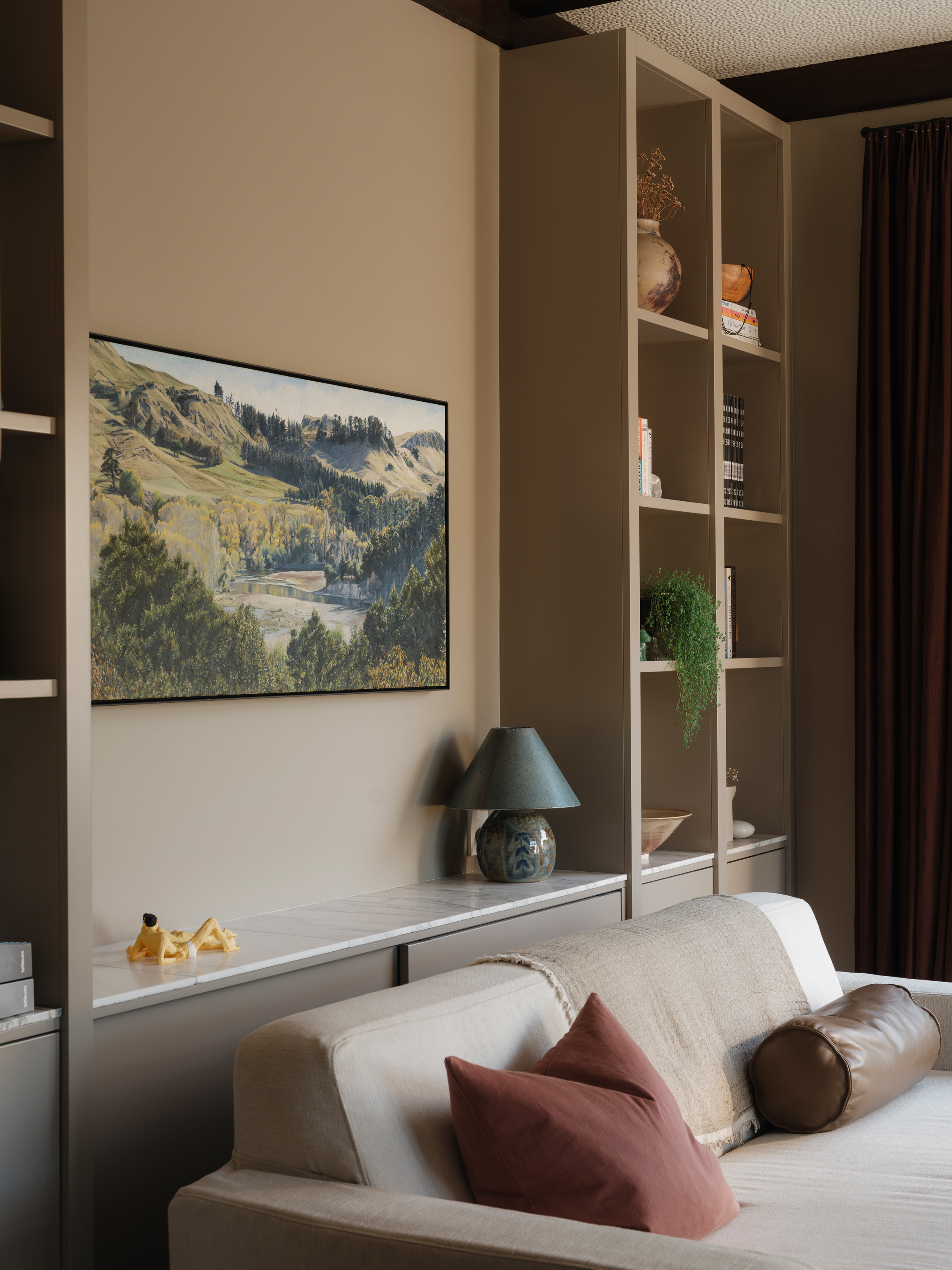
South is an interior designer, but he worked with architectural design practice Creative Arch to deliver the renovation, and it’s the most personal work he has done. He found it clarifying. “I look at all of the projects I’ve designed for clients and this feels completely different,” he says. “It’s much more collected and iterated. I let the house inform the direction.” The brief he set himself was, at its core, a character test: every decision had to be grounded in the spirit of the house, or in the life he and McKay actually lived. Not the life they imagined living. Not the house they might one day want to sell.
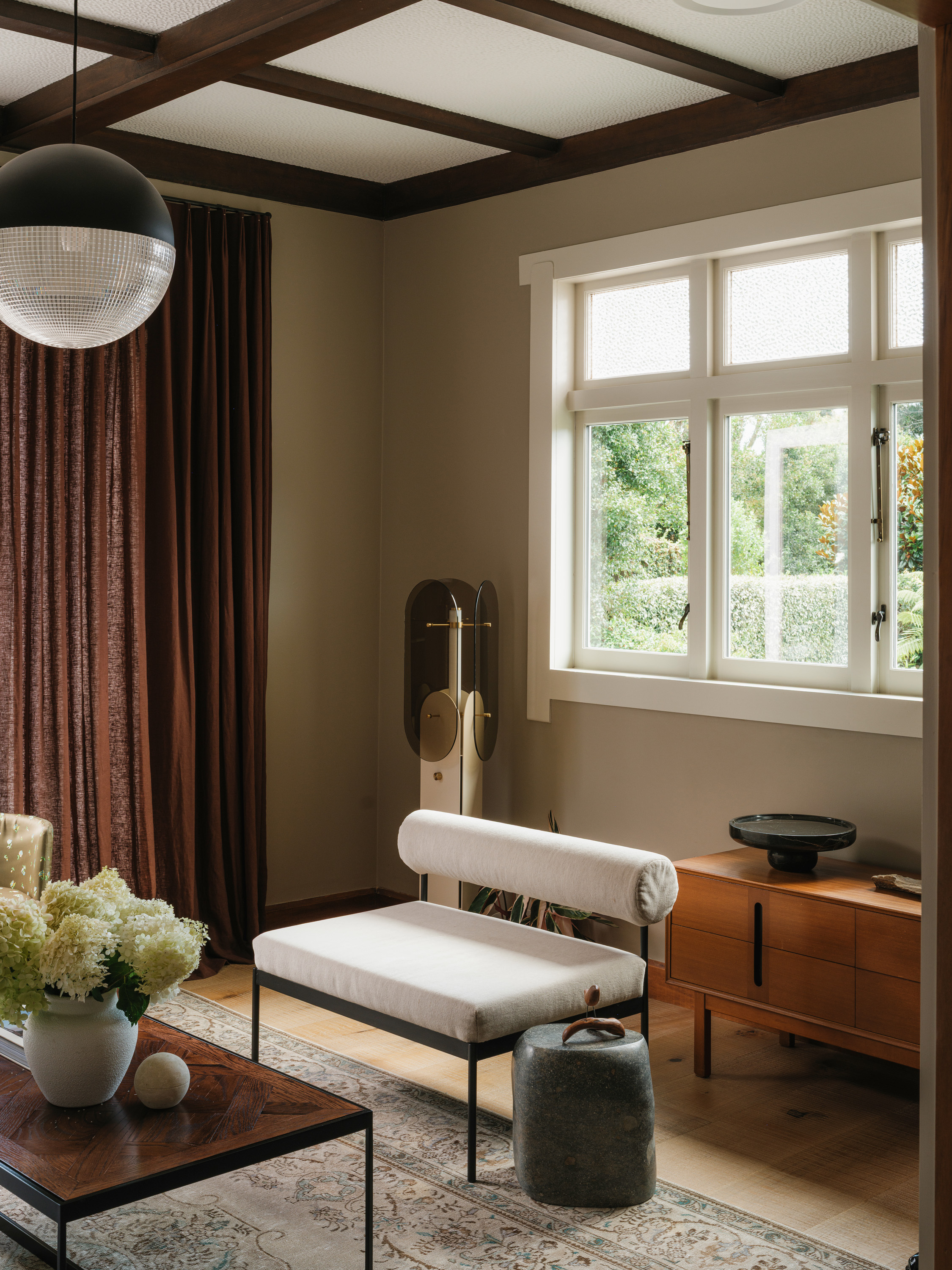
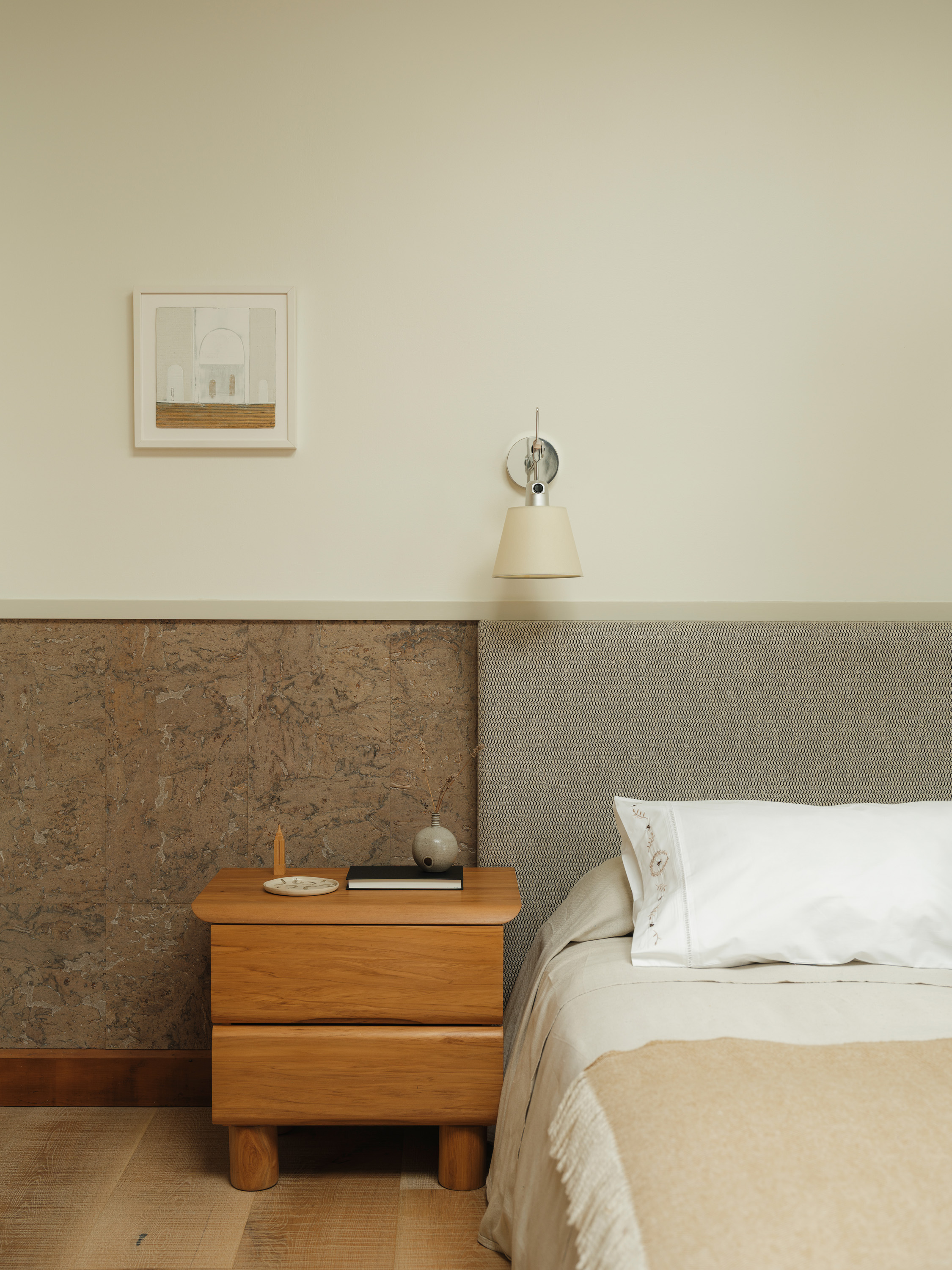
Every room is shaped around South’s collecting impulse: light fixtures, small sculptures, curiosities. Track-mounted spots light the rooms almost as a byproduct of highlighting these objects. But the house is no sterile gallery. The paint colours are earthy and warm, shifting in different lights – chosen to read as a continuation of the timber rather than a contrast to it. “Getting the right balance of warmth, and not going too dark was tricky,” South says. “Especially once we decided to stain the beams dark. I had a moment of nervousness. But with so much natural light I just trusted it was right.”
The ceilings were the renovation’s most expensive surprise. The original pressed-plaster panels, in a pattern common to bungalows of the 1920s, matched the textured glass in the toplight windows. But they had been sagging for decades and South wanted them replaced exactly. “We initially thought they would be hard to source,” he says, “but it turned out there are only a few standard patterns from that era and someone’s still pressing them.” There was, however, a lot of labour involved in restoring them to their former glory.
The bathroom and kitchen were designed to respond to the original aesthetic, rather than imitate it – instead, South created subtle links through the details. “It shouldn’t feel like a replica,” he says. The couple’s furniture was largely carried over and recovered to fit the aesthetic. The dining table and banquette sofa were designed by South for the room. The table is a true oval, narrow enough to fit the space but long enough for a dinner party, in the same salvaged rimu used on the stairs and kitchen shelving.
The renovation was finished last November. The couple have since acquired a young griffon, Brenda, who moves through the house with cheerful disregard for anything in her path. The house absorbs her easily. “She brings such joy to the home,” South says. “If you want everything to look perfect and brand new, you don’t get a dog.” He pauses. “There’s an hour a week where the house is clean, just after I’ve done it, and then she brings something in from the garden.”
The couple use every room, every day. As does Brenda. They entertain most weeks. Late on those nights, more often than not, they end up in the front room, deep in conversation.
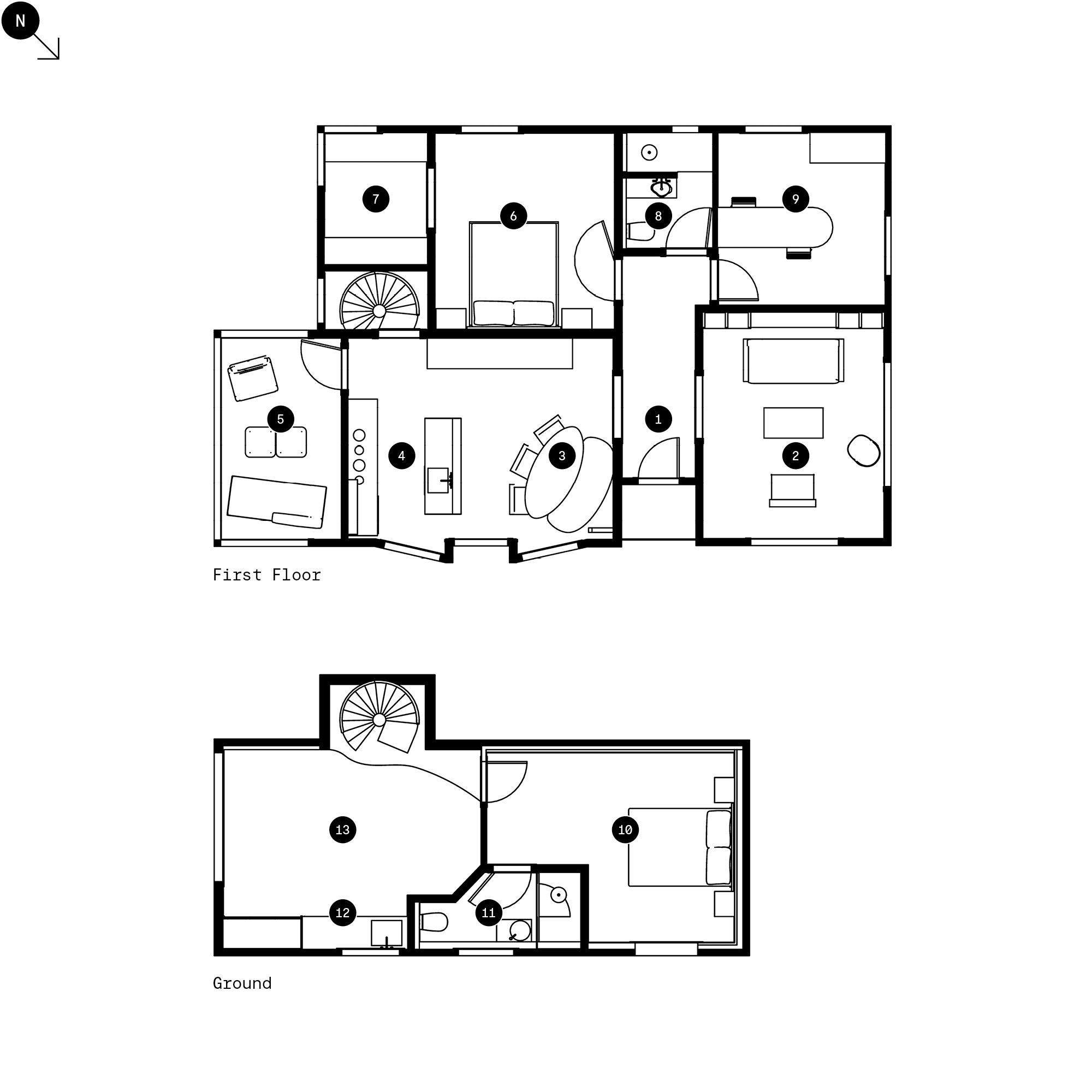
1. Entry Hall
2. Living
3. Dining
4. Kitchen
5. Den
6. Bedroom
7. Wardrobe
8. Bathroom
9. Bedroom/Office
10. Guest Bed
11. Ensuite
12. Laundry
13. Garage